

A new medical advancement is offering hope in the battle against cancer: a revolutionary blood test capable of detecting various cancers up to four years before symptoms appear. Scientists are hailing this innovation as a potential game-changer in early cancer detection, which could dramatically improve patient survival rates.
Cancer
Cancer is not just one disease, but a large group of almost one hundred diseases. Its two main characteristics are uncontrolled growth of the cells in the human body and the ability of these cells to migrate from the original site and spread to distant sites. If the spread is not controlled, cancer can result in death.

How Exercise is Transforming Cancer Care: A New Frontier in Healing and Recovery
In a wave of promising new research, the role of exercise in cancer care is no longer just a recommendation—it’s becoming a cornerstone of treatment and recovery. From reducing the risk of cancer recurrence to enhancing survival rates and improving quality of life, physical activity is emerging as a powerful, non-pharmacological ally in the fight against cancer.

Sharp Rise in Appendix Cancer Among Millennials Sparks Medical Concern
A troubling trend is emerging from recent health studies: appendix cancer rates are steadily increasing among young adults, particularly millennials. Long considered rare and often incidental, cancers of the appendix are now drawing growing attention due to a notable uptick in cases diagnosed in individuals in their 20s, 30s, and early 40s. This shift is reshaping how doctors, researchers, and public health officials view the disease.

World Brain Tumor Day 2025: Raising Hope, Breaking Myths, and Advancing Early Diagnosis
Every year on June 8th, World Brain Tumor Day shines a global spotlight on one of the most complex and life-altering conditions affecting the human brain. While brain tumors are relatively rare compared to other cancers, their impact can be devastating, affecting not just physical health but cognition, emotions, and quality of life.

How Exercise is Emerging as a Powerful Ally in Colon Cancer Survival and Prevention
In a growing wave of medical insights, physical activity is being recognized not just as a lifestyle enhancer but as a potential life-saving intervention—especially in the realm of colon cancer. New evidence is placing exercise at the forefront of colon cancer care, highlighting its role in prevention, improved survival, and overall quality of life for patients at all stages of the disease.

Alarming Rise in Colorectal Cancer Among Young Adults: What You Need to Know
Colorectal cancer—once considered a disease affecting mostly older adults—is now increasingly being diagnosed in people under the age of 50. Recent research and expert commentary have drawn attention to this unsettling trend, noting a significant uptick in bowel cancer cases among young individuals across the globe, including in India and the United States.
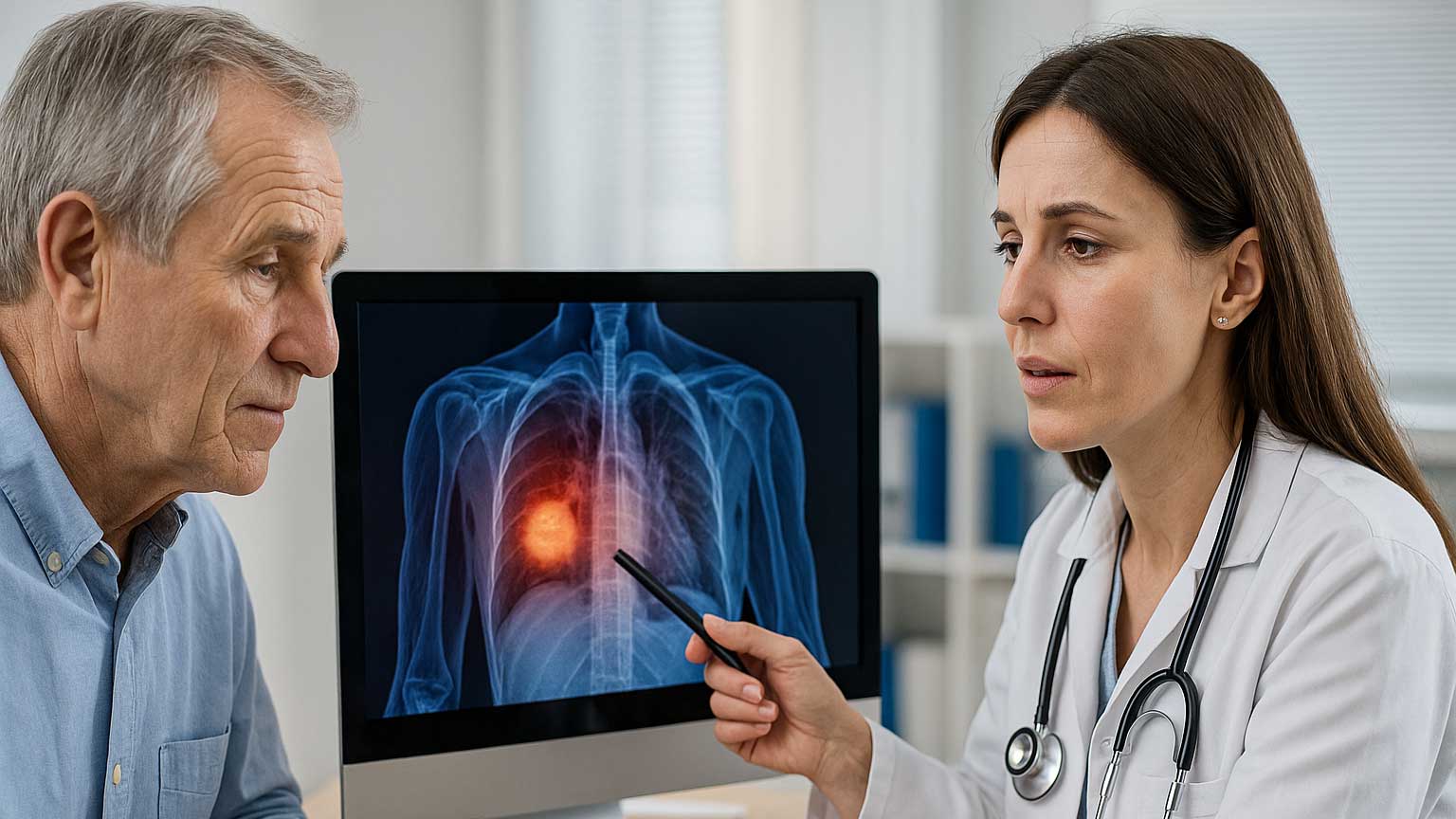
Breakthrough in Lung Cancer Care: Adjuvant Chemotherapy Proven Effective in Early-Stage NSCLC
A new wave of optimism has arrived for patients diagnosed with early-stage non-small cell lung cancer (NSCLC), as recent studies show that adjuvant chemotherapy—administered after surgical tumor removal—significantly improves survival outcomes, particularly in individuals with higher-risk genetic profiles.

Esophageal Cancer Deaths: Racial Gap Narrows Over Two Decades
From 1999 to 2020, esophageal cancer deaths among Black adults showed a significant decrease while remaining stable among White adults. This trend narrowed the racial mortality gap, as revealed by a recent study published on July 24 in the Journal of Gastroenterology and Hepatology.

Lung Cancer Screening Awareness Critical for Smokers
People who have smoked in the past can catch lung cancer early through annual CT screening, which makes it easier to treat.
Most Americans do not know about this important screening, according to a recent survey.

Depression Increases Death Risk for Women with Breast Cancer, Study Shows
It was found in a new study that depression can significantly lower the survival chances of women with breast cancer.
Women with both breast cancer and depression are more than three times as likely to die compared to women without either condition. In comparison, breast cancer patients without depression are only 45% more likely to die than healthy women.

Daily Low-Dose Aspirin and Colon Cancer: New Insights
It has been known that taking a small dose of aspirin every day helps prevent colon cancer. But recent research shows that people who benefit the most are those with a higher risk of getting the disease due to their lifestyle.

Melanoma – The Dark Invader: Deadly Skin Cancer
In the lexicon of modern medicine, ‘melanoma’ rings a bell with the timbre of alarming urgency, echoing its formidable reputation as one of the most deadly skin cancers known to humankind. This insidious disease weaves a complex tapestry of symptoms, signs, and biological transformations that are often as enigmatic as they are menacing.