

As wildfire seasons grow longer and more intense across North America, scientists and health experts are sounding a growing alarm over an often-overlooked danger: the lingering health effects of wildfire smoke. More than a visual nuisance or a temporary inconvenience, wildfire smoke is proving to be a serious and long-term health hazard that can harm not only the lungs but also the heart and even impact cancer survival.
Climate change

Texas Faces Deadly Amoeba Scare Linked to Tap Water: Public Urged to Stay Vigilant
A recent cluster of alarming cases in Texas has drawn national attention to a rare but deadly health threat—brain-eating amoebas potentially linked to tap water. Several individuals have fallen gravely ill, and at least one fatality has been reported, after exposure to Naegleria fowleri, a microscopic organism that thrives in warm freshwater and can invade the human brain through the nasal passages.
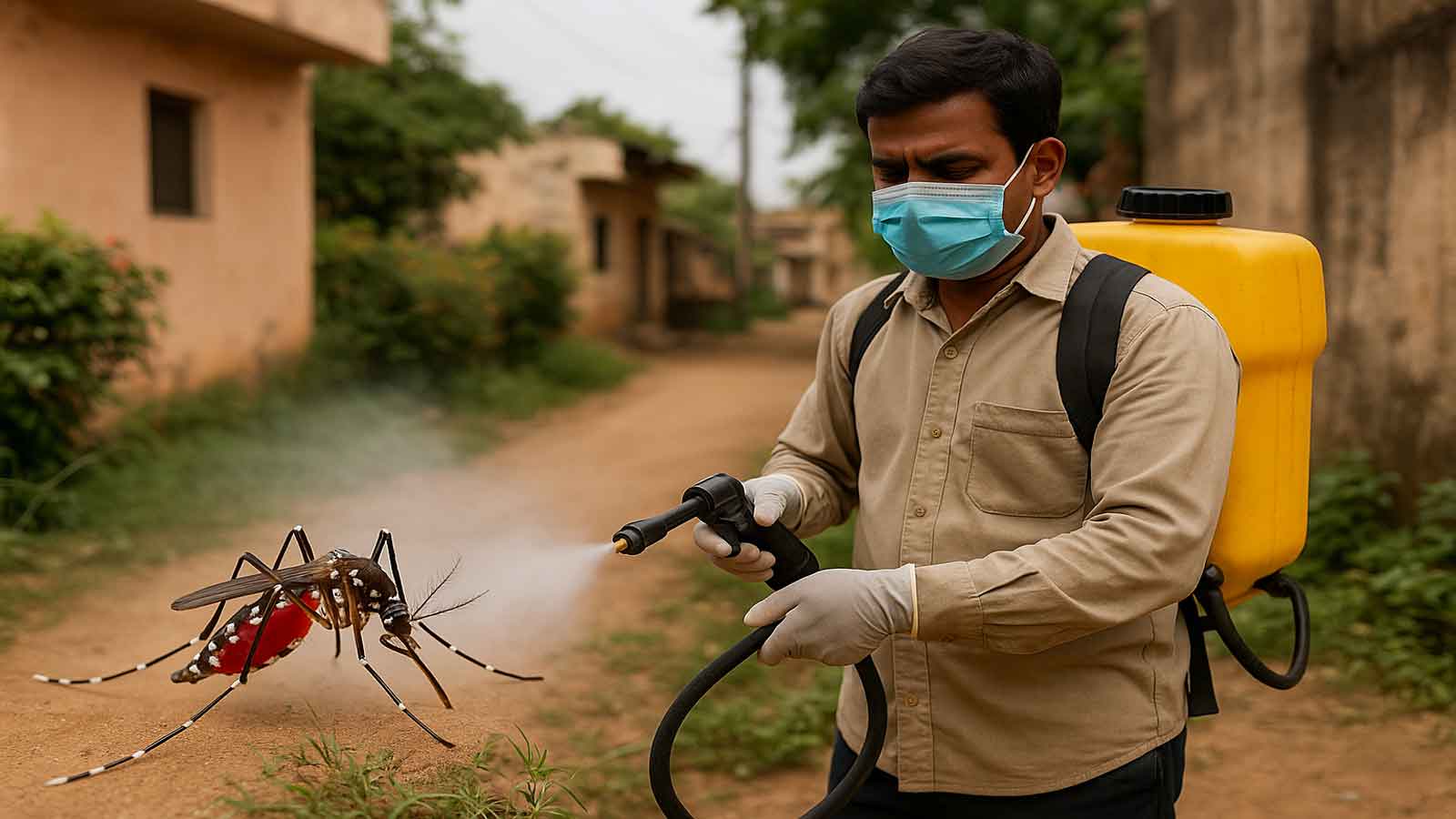
Dengue Watch 2025: How India is Bracing for a Mosquito-Borne Threat This Monsoon
As the monsoon clouds gather over India, health authorities and communities alike are stepping up their fight against a familiar seasonal threat—dengue fever. The year 2025 brings heightened concern, with early warnings prompting intensified efforts to curb mosquito breeding and educate the public on preventive measures. Cities across the country, from Nagpur to Pune and Visakhapatnam, are mobilizing civic resources to tackle what could become a significant public health challenge if left unchecked.

Warming Waters: The Rising Threat of Flesh-Eating Bacteria Along the U.S. East Coast
Researchers have found that global warming is causing the spread of a deadly flesh-eating bacteria, Vibrio vulnificus, along the northeastern coast of the United States. The bacteria, which is found in warm, shallow coastal waters, can infect a person through a cut or insect bite during contact with seawater.
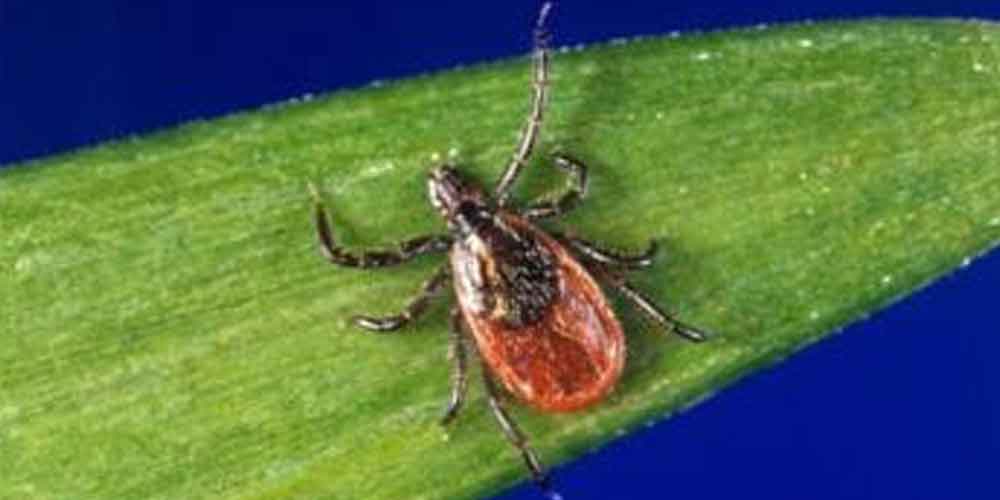
Tick Talk: The Rise and Spread of Babesiosis in America
A new report from the CDC says that a disease called babesiosis, which is spread by ticks, has become more common in the United States
Sinus irrigation with contaminated tap water may cause meningoencephalitis
Changing epidemiology of rare disease links sinus irrigation with contaminated tap water, 2 deaths — Cases highlight importance of using appropriately treated water for nasal irrigation – When water containing the Naegleria fowleri ameba, a single-celled organism, enters the nose, the organisms may migrate to the brain, causing primary amebic meningoencephalitis, a very rare?but usually fatal?disease.
Men may have greater allergy risk than women
Men May Have Greater Allergy Risk Than Women, Suggests Largest Ever National Allergy Study — Quest Diagnostics Health Trends analysis raises possibility that men are underdiagnosed for allergies – A study of nearly 14 million blood tests for aiding allergy diagnosis shows that men exhibited higher sensitivity to 11 common allergens than women when tested, contradicting other research suggesting women experience allergies more frequently than men.
Dust from distant lands may affect climate and health in US, Europe
Dust from distant lands may affect climate and health in the Americas and Europe — University of Miami Professor Joe Prospero to share findings at AAAS – Residents of the southern United States and the Caribbean have seen it many times during the summer months-a whitish haze in the sky that seems to hang around for days.
Lyme disease is spreading in Canada
Lyme disease is spreading in Canada, and physicians are crucial in helping minimize its impact – Lyme disease is emerging in Canada, and is expected to increase with climate change, but effective, enhanced surveillance and clinician awareness will be key to minimizing the impact of the disease, write researchers in a review in CMAJ (Canadian Medical Association Journal).
Climate change a biggest health threat of 21st century
Climate change is the biggest health threat of the 21st Century, researchers claim. – A major report on managing the health effects of climate change, launched jointly by The Lancet and UCL (University College London) today, says that climate change is the biggest global health threat of the 21st Century.
Humans driving increased dengue risk in Australia
Humans, not climate, driving increased dengue risk in Australia – Drought-proofing Australia’s urban regions by installing large domestic water tanks may enable the dengue mosquito Aedes aegypti to regain its foothold across the country and expand its range of possible infections, according to a new study published May 5 in the open-access journal PLoS Neglected Tropical Diseases.
Keeping slim is good for the planet
Lean population will consume almost 20% less food and produce fewer greenhouse gases than a population in which 40% of people are obese. – Maintaining a healthy body weight is good news for the environment, according to a study which appears today in the International Journal of Epidemiology.