

As National Men’s Health Week unfolds this June, health experts, advocacy groups, and government bodies are rallying to address a long-standing concern: men are less likely than women to seek preventive care, often delaying screenings until symptoms become severe.
Stress
Generally, environmental events of a challenging sort as well as the body’s response to such events. Of particular interest has been the relationship between stress and the body’s adaptation to it on the one hand and the body’s susceptibility to disease on the other. Both outcomes involve behavioral and brain changes as well as psychosomatic events, that is, changes in body function arising from the ability of the brain to control such function through neural output as well as hormones.

Wildfire Smoke: A Silent Threat to Lungs, Heart, and Cancer Recovery
As wildfire seasons grow longer and more intense across North America, scientists and health experts are sounding a growing alarm over an often-overlooked danger: the lingering health effects of wildfire smoke. More than a visual nuisance or a temporary inconvenience, wildfire smoke is proving to be a serious and long-term health hazard that can harm not only the lungs but also the heart and even impact cancer survival.

Too Much Screen, Too Little Play: Alarming Rise in Behavioral and Emotional Issues Among Children
As screens increasingly dominate the daily lives of children, a wave of concern is rising among parents, educators, and health professionals. From mobile phones to tablets, television to gaming consoles, the growing dependence on screens is now being linked to a troubling surge in emotional, behavioral, and developmental issues in kids across the globe.

World Brain Tumor Day 2025: Raising Hope, Breaking Myths, and Advancing Early Diagnosis
Every year on June 8th, World Brain Tumor Day shines a global spotlight on one of the most complex and life-altering conditions affecting the human brain. While brain tumors are relatively rare compared to other cancers, their impact can be devastating, affecting not just physical health but cognition, emotions, and quality of life.

The Silent Epidemic: Millions Living with Undiagnosed Aggressive Fatty Liver Disease
A growing public health concern is quietly sweeping across the United States and other Western nations—millions of people are unknowingly living with a progressive and potentially life-threatening liver condition known as MASLD (Metabolic dysfunction-Associated Steatotic Liver Disease), formerly referred to as NAFLD (Non-Alcoholic Fatty Liver Disease).

Measles Surge in Europe Sparks Health Alerts Ahead of Summer Travel Season
As families across Europe prepare for summer holidays, public health officials are raising urgent alarms over a sharp uptick in measles cases sweeping the continent. Multiple countries, including the UK, France, Germany, and Italy, are witnessing a concerning spike in infections, prompting fresh travel warnings and renewed vaccination campaigns.
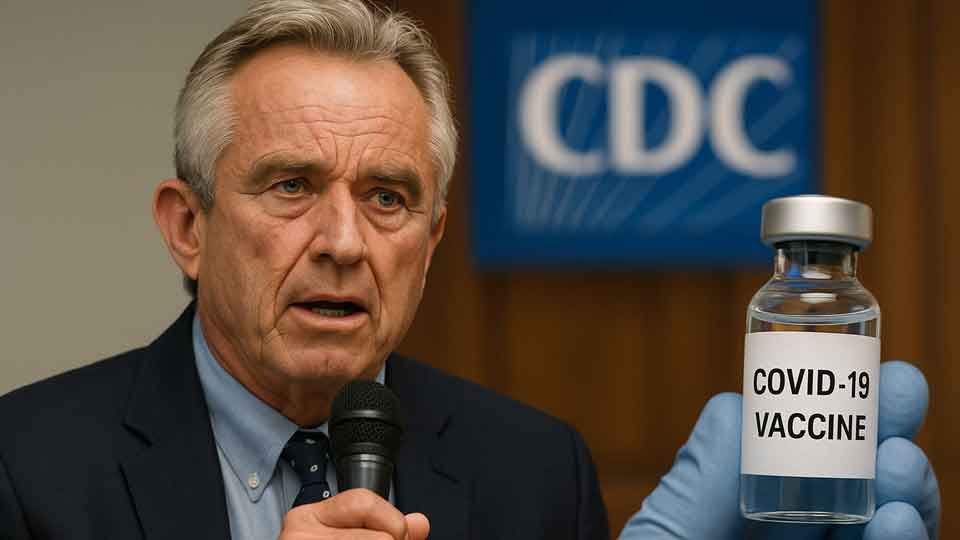
COVID Vaccine Controversy Deepens as RFK Jr. Criticizes CDC Guidance and Sparks Political Storm
A new wave of controversy surrounding COVID-19 vaccines has erupted following pointed remarks by presidential candidate Robert F. Kennedy Jr. His statements criticizing the Centers for Disease Control and Prevention (CDC) have triggered a fierce public and political response, reigniting debates about vaccine safety, transparency in public health policies, and government trust.

Texas Faces Deadly Amoeba Scare Linked to Tap Water: Public Urged to Stay Vigilant
A recent cluster of alarming cases in Texas has drawn national attention to a rare but deadly health threat—brain-eating amoebas potentially linked to tap water. Several individuals have fallen gravely ill, and at least one fatality has been reported, after exposure to Naegleria fowleri, a microscopic organism that thrives in warm freshwater and can invade the human brain through the nasal passages.

Hidden Brain Saboteurs: How Common Foods May Be Harming Your Memory and Mental Sharpness
In a time when mental clarity and memory retention are more crucial than ever, growing research is casting a troubling light on the food we consume daily. While much attention is given to physical health, scientists and neurologists are raising alarms about the subtle yet significant ways our diets may be impairing brain function, especially in children and young adults.

Cold Plunge Craze: Do Ice Baths Really Boost Your Health or Just Shock Your System?
In recent years, cold plunge therapy — immersing oneself in icy water — has surged in popularity, promoted as a gateway to improved health, mental resilience, and faster recovery. Athletes swear by it, influencers post daily icy dips, and wellness centers across the globe offer luxurious cold plunge experiences. But what does science actually say about this frosty trend?

Broccoli Boom: Why This Green Veggie Deserves a Spot on Your Plate
Broccoli, long hailed as a symbol of healthy eating, is back in the nutrition spotlight — and for good reason. From aiding weight loss to boosting immunity and digestion, this humble green vegetable has proven itself to be one of the most powerful allies in a balanced diet. Recent renewed interest in broccoli’s health benefits is shining a fresh light on its scientific credentials and everyday value.

Real-Life Weight Loss Habits That Work: Expert Tips, Daily Routines, and Sustainable Strategies
In a world where fad diets and flashy transformations flood social media, a new wave of evidence-based, sustainable weight loss advice is gaining traction. From morning routines to mindful eating habits, fitness coaches and health experts are highlighting small, consistent changes that can lead to significant weight loss over time—without crash diets or drastic restrictions.