

In a significant shift in public health policy, the U.S. Centers for Disease Control and Prevention (CDC) has updated its COVID-19 vaccination recommendations, sparking widespread discussion among healthcare professionals and expectant mothers alike. The new guidance streamlines previous vaccine protocols, emphasizing simplified dosing while raising concerns over clarity, especially for vulnerable groups like pregnant women.
Hospitalization
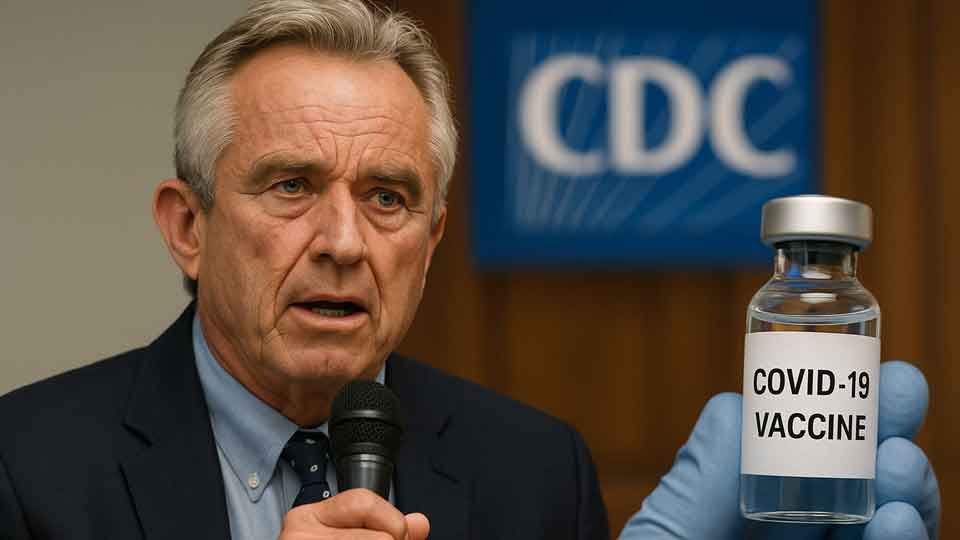
COVID Vaccine Controversy Deepens as RFK Jr. Criticizes CDC Guidance and Sparks Political Storm
A new wave of controversy surrounding COVID-19 vaccines has erupted following pointed remarks by presidential candidate Robert F. Kennedy Jr. His statements criticizing the Centers for Disease Control and Prevention (CDC) have triggered a fierce public and political response, reigniting debates about vaccine safety, transparency in public health policies, and government trust.

New Hope for Infant Health: RSV Protection Strengthened with Monoclonal Antibodies and Vaccines
In a significant leap forward for pediatric health, global health agencies and medical researchers have announced the rollout of new vaccines and monoclonal antibody treatments designed to protect infants from Respiratory Syncytial Virus (RSV). RSV is a common respiratory virus that can lead to severe illness in babies, particularly those under six months of age. It is a major cause of bronchiolitis and pneumonia in children worldwide, and each year, it leads to thousands of hospitalizations and fatalities among infants.

Complex Medical Conditions in Children: Higher Health Care Needs Revealed by Study
Children facing complex medical conditions often have challenges with their mental and neurodevelopmental health. A recent study, published in Pediatrics on August 5, revealed these children use health care services more frequently.
The study, led by Dr. JoAnna K. Leyenaar from the Children’s Hospital at Dartmouth Hitchcock Medical Center, looked at data from three states between 2012 and 2017. It focused on children with medical complexity (CMC) who also have neurodevelopmental and mental health issues.

Active Seniors, Enhanced Living: Uncovering the Link
A recently conducted Cambridge study establishes a significant correlation between increased physical activity, decreased sedentary behavior, and an improved quality of life in adults over the age of sixty. The study scrutinized the daily habits of nearly 1,500 adults, revealing that reductions in physical activity or increases in inactive pastimes such as television viewing or reading adversely affect the quality of life.

Dengue Fever: Unraveling the Mysteries of a Mosquito-borne Menace
In the vibrant arena of Earth’s biodiversity, one of the most enigmatic and perilous phenomena is the transmission of diseases by organisms. The perpetrators are often tiny creatures that stealthily invade our bodies, acting as transporters for deadly pathogens. One such diminutive creature is the ‘Aedes aegypti’ mosquito, the primary vector of dengue fever.

Unveiling Long COVID: The Unseen Global Health Crisis
The COVID-19 pandemic has left an indelible mark on global health, with its impact extending far beyond the acute phase of the disease. A recent Swiss study published in the British Medical Journal (BMJ) has shed light on the long-term effects of COVID-19 in unvaccinated individuals, revealing a worrying trend.

The Rising Threat of Human Metapneumovirus: What You Need to Know
In the realm of public health, awareness is a powerful tool. As we navigate through the complexities of the global health landscape, a new threat has emerged, catching many by surprise. This threat is the Human Metapneumovirus (HMPV), a relatively unknown virus that has seen a significant rise in cases recently.

Antibiotic Alchemy: Transforming Prescribing Practices to Protect Patients and Combat Resistance
In a busy medical setting such as an urgent care or emergency department, physicians may be tempted to prescribe antibiotics to patients who request them, even if they are unlikely to be helpful. However, a major study by researchers at Intermountain Health and Stanford University found that overprescribing and inappropriately prescribing antibiotics leads to antibiotic resistance and significant patient harm.

XBB.1.5 omicron subvariant spreading fast and infecting vaccinated
A highly transmissible new omicron subvariant known as XBB.1.5 accounts for more than 70% of the COVID-19 cases New York City has seen in recent
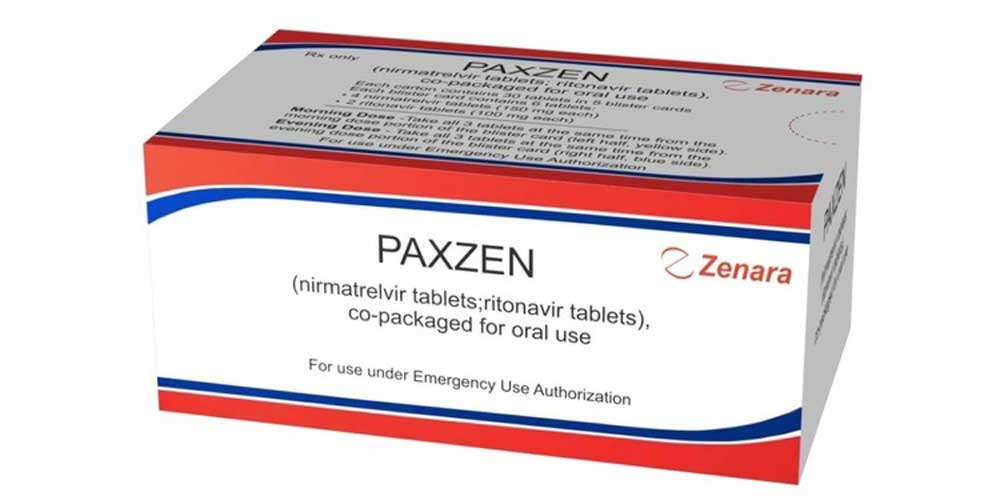
Paxlovid (Paxzen) reduces risks of later developing long COVID
Researchers from the Veterans Health Administration find that taking the Paxlovid medication also reduce the risks of later developing long COVID, according to a new

Praluent – alirocumab injection approved for cholesterol-lowering treatment by US FDA
Sanofi and Regeneron Pharmaceuticals, Inc. announced that the U.S. Food and Drug Administration (FDA) approved Praluent® (alirocumab) Injection, the first FDA-approved treatment in a new