
PEPFAR HIV AIDS programs and maternal health services

PEPFAR HIV/AIDS programs linked to uptick in babies born at health facilities in sub-saharan Africa – While HIV programs provide lifesaving care and treatment to millions of people in lower-income countries, there have been concerns that as these programs expand, they divert investments from other health priorities such as maternal health. Researchers at Columbia University’s Mailman School of Public Health assessed the effect of HIV programs supported by the President’s Emergency Plan for AIDS Relief (PEPFAR) on access to maternal health care in sub-Saharan Africa for women who are not infected with HIV.
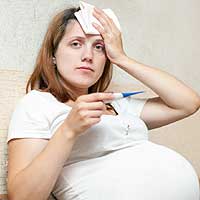
H1N1 flu shot during pregnancy shows unexpected benefits to the baby

Flu shot during pregnancy shows unexpected benefits in large study – Getting a flu shot during pregnancy provides unanticipated benefits to the baby. A new study showed that H1N1 vaccination during the pandemic was associated with a significantly reduced risk of stillbirth, preterm birth and extremely small babies at birth.

Birth defects risk higher in assisted reproduction

Higher risk of birth defects from assisted reproduction – Researchers identified the risk of major birth defects associated with different types of assisted reproductive technology. They have compared the risk of major birth defects for each of the reproductive therapies commonly available internationally, such as: IVF (in vitro fertilization), ICSI (intracytoplasmic sperm injection) and ovulation induction.

Pregnant women spend longer in labor now than 50 years ago

NIH study finds women spend longer in labor now than 50 years ago — Changes in delivery practices appear to be main contributing factor – Women take longer to give birth today than did women 50 years ago, as per analysis of nearly 140,000 deliveries by NIH researchers in US. The change is likely due to changes in delivery room practice.

Family preferences influence decision making in very premature deliveries

Family preferences strongly influence decision making in very premature deliveries — Wide variation in practices and counseling reported in the American Journal of Obstetrics and Gynecology – When making decisions and counseling about risk and management options for deliveries between 22 and 26 weeks (periviable deliveries), obstetricians are heavily influenced by family preferences, particularly by the impression that parents consistently prefer to have everything possible done to prolong a pregnancy or “save the baby” through interventions such as cesarean section.

Malaria during pregnancy first trimester – antimalarial is safe

Malaria during pregnancy first trimester – antimalarial is safe

Malaria during pregnancy: New study assesses risks during first trimester — Antimalarial drugs safer for pregnant women than disease – The malaria disease significantly increases the risk of miscarriage, but that treating with antimalarial drugs is relatively safe and reduces this risk in pregnant women expecting their new born babies.

Low risk pregnant women can opt for home birth

Pregnant women at low risk of complications can safely be offered a choice of where to give birth — Perinatal and maternal outcomes by planned place of birth for women with low risk pregnancies: The Birthplace in England national prospective cohort study – A new study reveals that women with low risk pregnancies should be able to choose where they give birth. Although it shows that first-time mums who opt for a home birth are at a higher risk of adverse outcomes, the overall risk is low in all birth settings.

Polycystic ovary syndrome linked to pregnancy complications

Women with polycystic ovary syndrome at increased risk of pregnancy complications – Hormonal Disorder Linked to Pregnancy Complications – Women with polycystic ovary syndrome are more likely to have problems with pregnancy regardless of whether they are undergoing fertility treatment, claims new research published on bmj.com today.

Healthy diet reduces birth defects risks

Overall quality of pregnant woman?s diet affects risk for two birth defects, Stanford study shows – Healthier dietary choices by pregnant women are associated with reduced risks of birth defects, including neural tube defects and orofacial clefts. Folic acid supplementation and food fortification has been effective in preventing neural tube defects, but folic acid does not prevent all birth defects.

Successful separation of conjoined craniopagus Sudanese twins

CONJOINED TWINS SEPARATED — UK Children?s Charity Facing the World Announces Successful Separation of Sudanese Twins – Twin girls joined at the head, such that their major brain blood vessels were interconnected, have been safely separated. UK charity Facing the World played the central role in funding treatment, evaluating the children abroad, supporting the family and handling the logistics to bring Rital and Ritag Gaboura and their parents to London.

Le Bonheur surgeons separated rare conjoined pygopagus twins

Le Bonheur Surgeons Successfully Separate Rare Conjoined Twins — Most complex surgery in hospital history – Doctors at Le Bonheur Children’s Hospital successfully separated conjoined twins, Joshua and Jacob Spates, on Monday, Aug_29. The Spates family is from Memphis. Conjoined twins are identical twins whose bodies do not fully separate in utero. A rare phenomenon, conjoined twins occurs in approximately one in 100,000 births.

Dr. Anil Singhal Homeopathic Doctor | Dr. Anil Singhal's Blog | Manan - My Memoir by Dr. Anil Singhal | Boger's Legacy | Organon of Medicine | SpiritIndia