
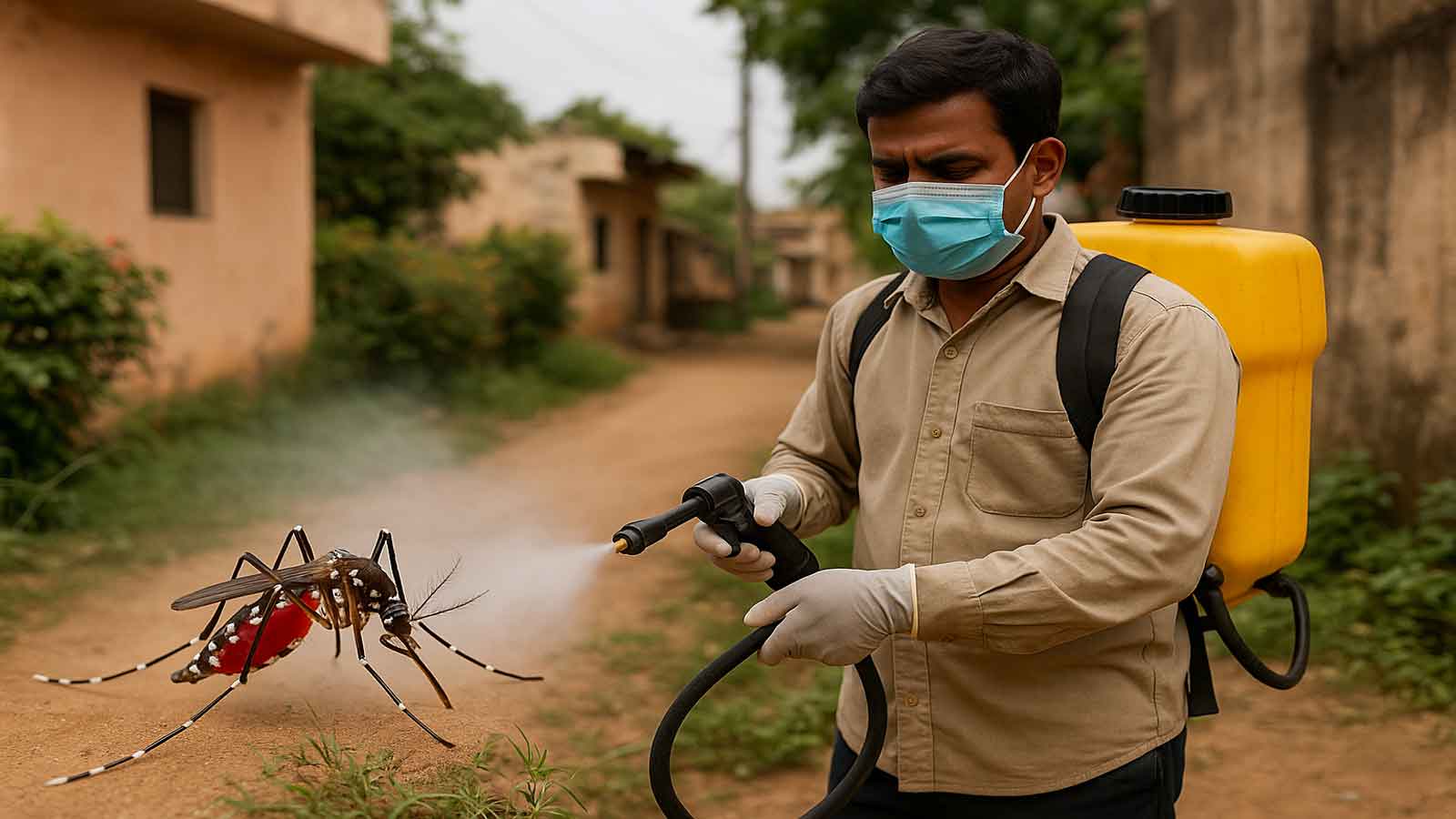
As the monsoon clouds gather over India, health authorities and communities alike are stepping up their fight against a familiar seasonal threat—dengue fever. The year 2025 brings heightened concern, with early warnings prompting intensified efforts to curb mosquito breeding and educate the public on preventive measures. Cities across the country, from Nagpur to Pune and Visakhapatnam, are mobilizing civic resources to tackle what could become a significant public health challenge if left unchecked.
Dengue, a viral disease transmitted by the Aedes aegypti mosquito, typically surges during the monsoon months when stagnant water becomes a breeding ground. The disease causes high fever, severe headaches, joint and muscle pain, and in some cases, life-threatening complications like dengue hemorrhagic fever or dengue shock syndrome. The concern is particularly acute during daytime hours, as the primary vector mosquito bites during the day.
Recognizing the risk, several municipal corporations have deployed action plans to inspect and eliminate breeding spots, especially in urban areas where open plots, water tanks, and discarded containers often go unnoticed. For instance, city health officials in Nagpur and Pune have issued advisories urging citizens to inspect their surroundings regularly and not allow water to collect in open spaces. From housing societies to local schools, awareness drives are helping people recognize mosquito larvae and take timely action.
In Visakhapatnam, the Greater Visakhapatnam Municipal Corporation (GVMC) has prepared a proactive disease monitoring and sanitation drive to preempt any outbreak. Meanwhile, in Maharashtra, civic bodies are advocating the elimination of even the smallest puddles and encouraging fogging operations to kill adult mosquitoes.
Medical experts emphasize that dengue is preventable with vigilance. They urge individuals to wear full-sleeved clothing, use mosquito repellents, install window screens, and sleep under nets—especially during peak breeding periods. It’s also critical to recognize symptoms early. If fever is accompanied by body ache, skin rash, or bleeding gums, medical attention should be sought immediately.
What sets dengue apart from many other illnesses is its rapid spread and its impact on public infrastructure. Hospitals often see a sharp rise in admissions during outbreaks, and local health systems can get overwhelmed if preparedness is inadequate. This year, pre-monsoon preparedness has taken center stage in health policies, with both government and private health organizations disseminating information through social media and community health workers.
Historically, India has faced multiple dengue outbreaks. According to the National Vector Borne Disease Control Programme (NVBDCP), the country records tens of thousands of dengue cases each year, though the actual number is believed to be much higher due to underreporting. Urbanization, poor sanitation, and climate change are key drivers behind the growing incidence. Warmer temperatures and erratic rain patterns extend the mosquito breeding season and increase their geographical spread.
In 2025, artificial intelligence and digital health tools are also playing a role. Some cities are testing pilot programs that map mosquito density using drone surveillance and geotagged reports. Civic complaint apps now allow citizens to report mosquito-prone areas for quicker response. These tools, when combined with traditional methods, offer a more comprehensive strategy to prevent outbreaks.
Educational institutions have joined the effort too. Schools are conducting awareness campaigns for students, encouraging them to become “mosquito monitors” at home. Children are learning how to identify breeding grounds and take simple steps such as turning over buckets, cleaning coolers, and alerting adults to stagnant water.
The fight against dengue is not just a civic or medical issue—it is a social responsibility. As the monsoon season nears full swing, collective action remains the strongest defense. While authorities lay down strategic frameworks, it is the behavior and awareness of individuals and communities that ultimately determine the outcome.
Key Insight:
The battle against dengue in 2025 reminds us that simple, everyday actions—when multiplied by millions—can become a national shield against disease. Prevention truly begins at home.