
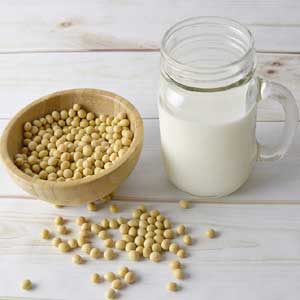
Soy milk protein dietary supplements lower blood pressure

Soy milk protein dietary supplements lower blood pressure

Soy/milk protein dietary supplements linked to lower blood pressure – Milk and soy protein supplements were associated with lower systolic blood pressure compared to refined carbohydrate dietary supplements. The study’s results suggest that partly replacing refined carbohydrates with foods or drinks high in soy or milk protein may help prevent and treat high blood pressure, said Jiang He, M.D., Ph.D., lead researcher of the study in Circulation: Journal of the American Heart Association.

Chantix increases risk of heart attack or arrhythmia

Chantix associated with 72 percent increased risk of serious CV events — Popular smoking cessation drug significantly increases risk of hospitalization due to serious cardiovascular problems – Smoking cigarettes is a dangerous habit that many are struggling to break, but for the smokers who choose to use one of the most popular smoking cessation drugs on the market, new warnings about the risk of serious cardiovascular events are on their way. Use of varenicline ? marketed by Pfizer under the brand name Chantix ? is associated with a 72 percent increased risk of hospitalization due to a serious adverse cardiovascular (CV) event, such as heart attack or arrhythmia.

Blood pressure changes are age related but important for health

Blood pressure changes are age-related – The main causes of increases in blood pressure over a lifetime are modifiable and could be targeted to help prevent cardiovascular disease: although high blood pressure sometimes has no obvious symptoms, this condition, which affects about a third of the adult UK and US populations, can lead to life-threatening heart attacks and stroke, so reducing blood pressure is very important for health.

New safety recommendations for high dose 80 mg simvastatin

FDA announces new safety recommendations for high-dose simvastatin — Increased risk of muscle injury cited – Patients taking simvastatin 80 mg daily had an increased risk of muscle injury. The risk of muscle injury is highest during the first year of treatment with the 80 mg dose of simvastatin, and is frequently associated with a genetic predisposition for simvastatin-related muscle injury or myopathy.

Surgical removal of tonsils and appendix may lead to heart attack

Surgical removal of the tonsils and appendix associated with risk of early heart attack — But because of the young age of participants, the absolute risk differences were small – The surgical removal of the appendix and tonsils before the age of 20 was associated with an increased risk of premature heart attack in a large population study performed in Sweden. Tonsillectomy increased the risk by 44% (hazard ratio 1.44) and appendectomy by 33% (HR 1.33).

New form of cholesterol revealed in people at high risk of heart disease

Super-sticky ‘ultra-bad’ cholesterol revealed in people at high risk of heart disease – Scientists from the University of Warwick have discovered why a newly found form of cholesterol seems to be ‘ultra-bad’, leading to increased risk of heart disease. The discovery could lead to new treatments to prevent heart disease particularly in people with type 2 diabetes and the elderly.

Niacin and statin treatment did not protect heart

NIH stops clinical trial on combination cholesterol treatment — Lack of efficacy in reducing cardiovascular events prompts decision – The National Heart, Lung, and Blood Institute (NHLBI) of the National Institutes of Health has stopped a clinical trial studying a blood lipid treatment 18 months earlier than planned.

Heart attacks are more serious if they occur at certain times of the day

Heart attacks are more serious if they occur at certain times of the day — Circadian variations of infarct size in acute myocardial infarction – People who have a heart attack are likely to be more seriously affected if the attack happens in the morning, reveals research published ahead of print in Heart journal.

Evidence based treatments decrease risk of death among heart attack patients

Increase in Use of Evidence-Based Treatments is Followed By Decrease in Risk of Death Among Patients With Heart Attack – In an analysis of data from a coronary care registry in Sweden, between 1996-2007 there was an increase in the prevalence of use of evidence-based invasive procedures and pharmacological therapies for treatment of a certain type of heart attack, and a decrease in the rate of death at 30 days and one year after a heart attack for these patients.

Stem cells repair heart damage in a human trial

Heart damage improves, reverses after stem cell injections in a preliminary human trial – Researchers have shown for the first time that stem cells injected into enlarged hearts reduced heart size, reduced scar tissue and improved function to injured heart areas, according to a small trial published in Circulation Research: Journal of the American Heart Association.

Diabetes drug rosiglitazone linked to heart problems

New study adds weight to diabetes drug link to heart problems — Research: Comparative cardiovascular effects of thiazolidinediones: Systematic review and meta-analysis of observational studies – A new study published on bmj adds to mounting evidence that rosiglitazone – a drug used to treat type 2 diabetes – is associated with an increased risk of major heart problems.

Stroke rate rises in HIV patients

Spike reported in number of people with HIV having a stroke – While the overall hospitalization rate for stroke has declined in recent years, the numbers have jumped dramatically for patients infected with human immunodeficiency virus (HIV), suggesting they may be up to three times more likely to suffer a stroke than people uninfected by the virus that causes AIDS.

Dr. Anil Singhal Homeopathic Doctor | Dr. Anil Singhal's Blog | Manan - My Memoir by Dr. Anil Singhal | Boger's Legacy | Organon of Medicine | SpiritIndia