
GSK’s alli for weight loss approved in Europe

GlaxoSmithKline receives European Commission approval to market alli? (orlistat 60mg) – A decision made by the European Commission opens access to a treatment that could help people who are overweight and obese.
Non dieting approach and relaxation training help obese

Non-dieting approach reaps health and well-being benefits in obese to improve overweight. – University of Otago researchers have found that non-dieting interventions to improve overweight and obese women’s health and well-being have a longer-lasting effect if they include relaxation training.

Nutrition information when eating out

Food Standards Agency (FSA) announces first steps to introduce nutrition information for consumers when eating out of home – The UK’s Food Standards Agency (FSA) has launched the first phase of its work to introduce nutrition information in a range of catering outlets.

Diabetes slows mental functioning in adults

Adult-onset diabetes slows mental functioning in several ways, with deficits appearing early – Adults with diabetes experience a slowdown in several types of mental processing, which appears early in the disease and persists into old age, according to new research.

Free resources to help lead a healthier life

Department of Public Health Urges Residents to Consider Their Health When Choosing a New Year?s Resolution – The Connecticut Department of Public Health (DPH) is urging people to consider resolutions for a healthy lifestyle for the New Year. Whether your resolution is to take better care of your general health, lose weight, or quit using tobacco, the DPH offers tips and resources to help you succeed in leading a healthier lifestyle.

Healthy diet may cut risk of breast cancer recurrence

Diet loaded with fruits, vegetables and fiber may cut risk of breast cancer recurrence in women without hot flashes. – A secondary analysis of a large, multicenter clinical trial has shown that a diet loaded with fruits, vegetables and fiber and somewhat lower in fat compared to standard federal dietary recommendations cuts the risk of recurrence in a subgroup of early-stage breast cancer survivors ? women who didn’t have hot flashes ? by approximately 31 percent.

Eating fast may make you overweight and obese

Eating quickly and until full trebles the risk of being overweight. – The combination of eating quickly and eating until full trebles the risk of being overweight, according to a study published on bmj.com – site of British Medical Journal, UK.

Gut bacteria helps control body weight and obesity

Waste from gut bacteria helps host control weight, UT Southwestern researchers report. – A single molecule in the intestinal wall, activated by the waste products from gut bacteria, plays a large role in controlling whether the host animals are lean or fatty, a research team, including scientists from UT Southwestern Medical Center, has found in a mouse study.

Vitamin C supplements reduce benefits of anti cancer drugs

Vitamin C supplements may reduce benefit from wide range of anti-cancer drugs – In pre-clinical studies, vitamin C appears to substantially reduce the effectiveness of anticancer drugs, say researchers at Memorial Sloan-Kettering Cancer Center.

Colon cancer’s genetic link to obesity

JAMA study a first to connect obesity, genetics and colon cancer risk. Gene variation associated with decreased risk of colorectal cancer. – A new study reveals the first-ever genetic link between obesity and colon cancer risk, a finding that could lead to greater accuracy in testing for the disease, said a researcher at the University of Alabama at Birmingham (UAB).

Exercise reduces obesity risk in genetically predisposed

Increased risk of obesity owing to genetic susceptibility by FTO variants can be blunted through physical activity, exercise. These findings emphasize the important role of physical activity in public health efforts to combat obesity, particularly in genetically susceptible individuals. – Individuals who have a genetic mutation associated with high body mass index (BMI) may be able to offset their increased risk for obesity through physical activity, according to a report in the September 8 issue of Archives of Internal Medicine, one of the JAMA/Archives journals.

Eating fish may prevent memory loss and stroke in old age

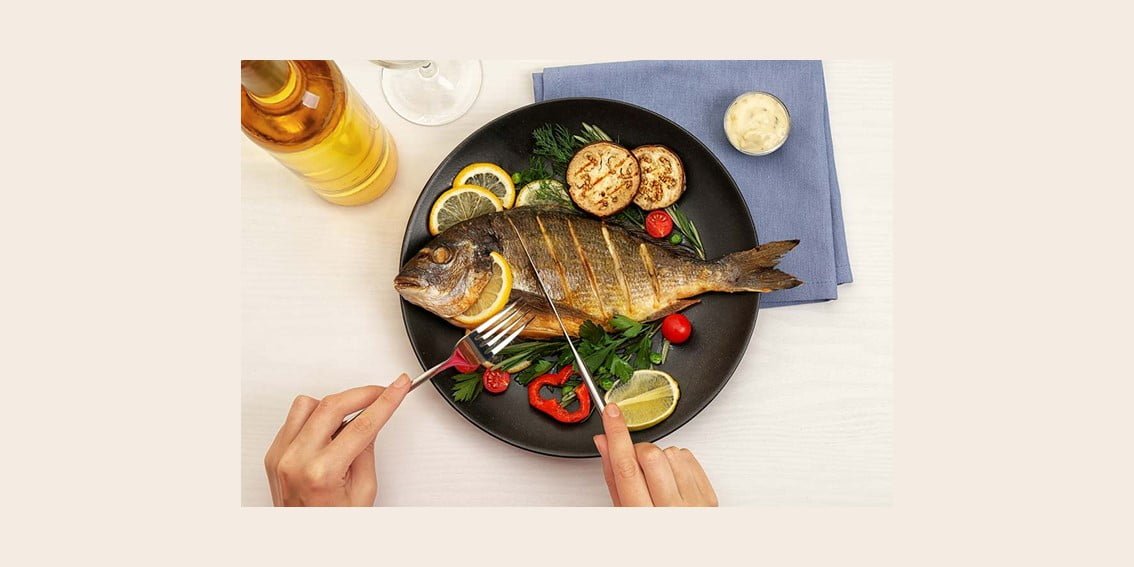
Eating fish may prevent memory loss and stroke in old age

Older adults who regularly eat fish may have a lower risk of subtle brain damage that contributes to stroke and dementia. – Eating tuna and other types of fish may help lower the risk of cognitive decline and stroke in healthy older adults, according to a study published in the August 5, 2008, issue of Neurology, the medical journal of the American Academy of Neurology.

Dr. Anil Singhal Homeopathic Doctor | Dr. Anil Singhal's Blog | Manan - My Memoir by Dr. Anil Singhal | Boger's Legacy | Organon of Medicine | SpiritIndia