

New research has found that using progestogen-only birth control pills slightly raises the risk of breast cancer, similar to the risk associated with pills containing both progestogen and estrogen. A study published in PLOS Medicine on March 21 showed that after five years of use, both types of contraceptives led to a 20% to 30% increased risk of breast cancer.
Cancer
Cancer is not just one disease, but a large group of almost one hundred diseases. Its two main characteristics are uncontrolled growth of the cells in the human body and the ability of these cells to migrate from the original site and spread to distant sites. If the spread is not controlled, cancer can result in death.

Cancer-free future – World Cancer Day
This World Cancer Day, WHO urges all governments to act now to detect breast cancer earlier, diagnose it faster, treat it better and give everyone

Tabrecta – capmatinib – approved for non-small cell lung cancer in adults
U.S. Food and Drug Administration approved Tabrecta (capmatinib) for the treatment of adult patients with non-small cell lung cancer (NSCLC) that has spread to other

Fat injection safe for breast reconstruction after mastectomy in breast cancer patients
For women undergoing breast cancer surgery, a technique called lipofilling — using the patient’s own fat cells to optimize the results of breast reconstruction —

Bixin protects skin against solar UV induced damage
Researchers have discovered that a compound found in the natural food additive annatto prevents the formation of cancer cells and skin damage from UV radiation
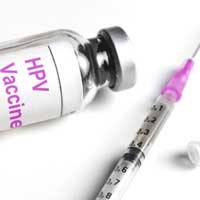
Prevent HPV-related cancer, get HPV vaccination
NewYork-Presbyterian, Columbia University Medical Center and Weill Cornell Medicine are among the nation’s top cancer centers calling for increased human papillomavirus (HPV) vaccination for the
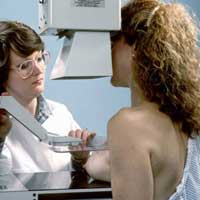
Breast cancer screening – biennial mammography starting at age 50 is optimal
New and comprehensive analyses from six independent research teams examining breast cancer screening intervals have produced a unanimous finding — that mammography screening every two

False positive mammogram means increased breast cancer risk
Women with a history of a false-positive mammogram result may be at increased risk of developing breast cancer for up to 10 years after the

Antioxidants may promote cancer spread
Researchers have made a discovery that suggests cancer cells benefit more from antioxidants than normal cells, raising concerns about the use of dietary antioxidants by

2 cups of coffee protects against breast cancer recurrence
More detailed findings confirm that coffee protects against breast cancer recurrence – Two cups of coffee inhibits the growth of tumours and reduces the risk of recurrence in women who have been diagnosed with breast cancer and treated with the drug tamoxifen revealed by researchers from Lund University.
Provenge – Sipuleucel-T may have added benefit in prostate cancer
Sipuleucel-T in prostate cancer: Indication of added benefit – Sipuleucel-T (trade name Provenge) has been approved since September 2014 for men with metastatic prostate cancer who have few or no symptoms and do not yet require chemotherapy. In the dossier assessment conducted by the German Institute for Quality and Efficiency in Health Care (IQWiG) in January 2015, no added benefit could be derived for sipuleucel-T.
Biomarker predicts effectiveness of brain cancer temozolomide treatment
Biomarker predicts effectiveness of brain cancer treatment – Researchers at the University of California, San Diego School of Medicine have identified a new biomarker that predicts whether glioblastoma – the most common form of primary brain cancer – will respond to chemotherapy.