
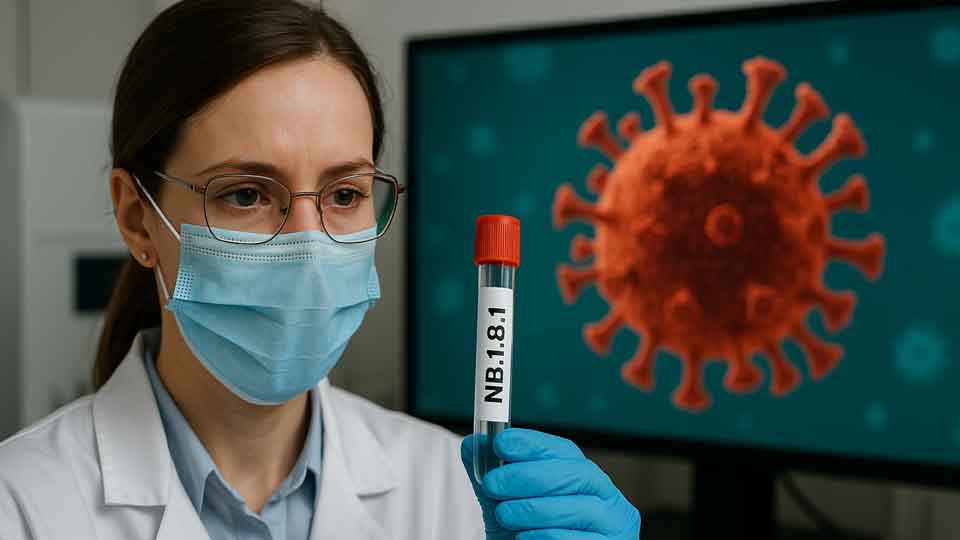
A newly identified COVID-19 variant, labeled NB.1.8.1, has been detected in the United States, drawing attention from public health experts and prompting fresh questions about the virus’s evolving nature. With early reports suggesting it could be linked to an uptick in cases in certain regions, health officials are closely monitoring the situation to understand its impact and transmissibility.
NB.1.8.1 is part of the broader Omicron lineage, which has dominated global COVID-19 cases since late 2021. While the world has witnessed numerous subvariants—such as BA.2, XBB, and EG.5—this newly tracked strain is being flagged for its unique mutations that may influence how it spreads and behaves in the human body. As with previous offshoots, scientists are particularly focused on changes in the virus’s spike protein, the key that allows it to enter human cells.
Initial findings indicate NB.1.8.1 might be contributing to localized spikes in infections, particularly among vulnerable populations, such as the elderly and immunocompromised. However, it’s still too early to determine whether the variant causes more severe illness or evades existing immunity from vaccines or prior infections. Some anecdotal reports mention unusual symptoms like intense fatigue, muscle soreness, and prolonged headaches, but these claims are yet to be verified through clinical studies.
Health authorities have emphasized that while new variants are expected, the overall public risk remains manageable, thanks to widespread immunity and ongoing vaccination efforts. Nonetheless, reminders are being issued to those who haven’t received booster doses, especially the updated vaccines that target more recent Omicron strains. These vaccines are likely to offer partial protection against NB.1.8.1 as well, due to shared genetic markers with its predecessors.
The United States is not alone in its vigilance. Global health agencies are also on alert, as variants like NB.1.8.1 have shown the potential to spread across borders before health systems can react. Early cases in the UK and parts of Europe suggest the variant may already be circulating more widely than initially believed. Enhanced genomic surveillance is underway to better map the spread and characteristics of the strain.
Historically, the appearance of new COVID variants has raised critical questions about our public health infrastructure, especially in times of declining public concern and reduced emergency funding. Experts warn that complacency could allow new variants to gain traction silently. The emergence of NB.1.8.1 is, therefore, a timely reminder that the virus continues to evolve in the background of our daily lives.
From a scientific standpoint, the development of variants like NB.1.8.1 follows the basic principles of viral mutation and natural selection. SARS-CoV-2, the virus behind COVID-19, is an RNA virus, which makes it prone to errors during replication. Some of these errors—or mutations—can help the virus survive longer, spread more easily, or dodge the immune system. While most mutations are benign or even detrimental to the virus, a few can give it a competitive advantage, leading to new waves of infection.
For the general public, maintaining vigilance remains essential. This means staying updated on local health advisories, continuing preventive habits like good ventilation and hand hygiene, and getting vaccinated when eligible. If symptoms resembling COVID appear—especially with emerging variants—testing and early isolation can help prevent community spread.
As of now, no travel restrictions or new mandates have been announced in response to NB.1.8.1. However, public health departments are urging people not to ignore flu-like symptoms and to seek medical advice if feeling unwell. Hospitals and clinics are also advised to be watchful for any spikes in respiratory illnesses that may be tied to this new variant.
Key Insight:
NB.1.8.1 is a fresh chapter in COVID-19’s evolutionary story—a subtle but important signal that the virus is still adapting. Continued awareness, vaccination, and timely scientific response are our best tools to stay ahead.