
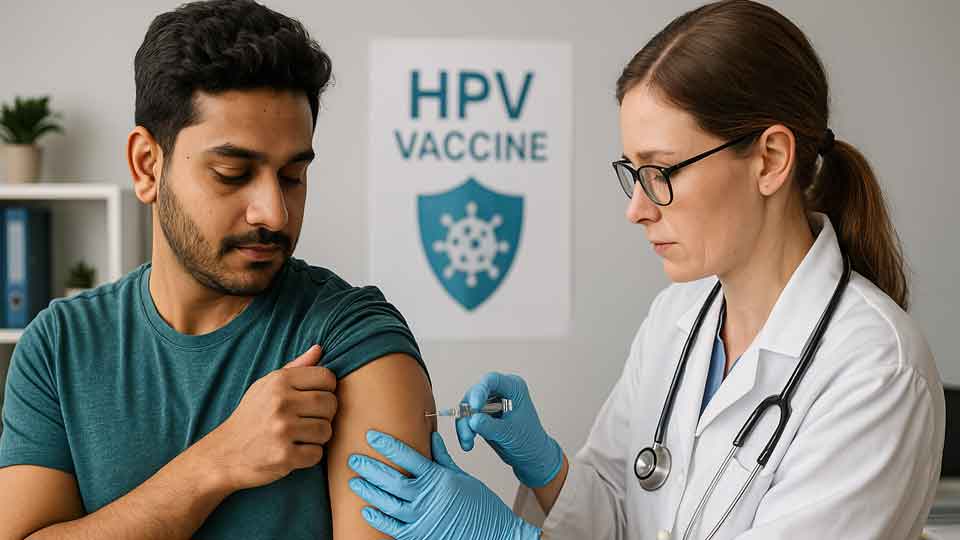
In a significant public health shift, India is intensifying efforts to combat the human papillomavirus (HPV), broadening awareness and prevention strategies beyond girls and women. Recent medical discussions and nationwide campaigns are placing strong emphasis on gender-neutral HPV vaccination, spotlighting the growing threat of HPV-related cancers among men.
The renewed urgency comes as oncologists and public health leaders warn of a silent but steady increase in HPV-linked cancers among Indian men. Traditionally associated with cervical cancer in women, HPV is now increasingly implicated in a range of cancers in both sexes — including penile, anal, throat, and oropharyngeal cancers. Experts are calling for a more inclusive approach, advocating that boys, too, be vaccinated against this highly transmissible virus.
A series of events across the country underscore the heightened focus. The Serum Institute of India (SII), one of the world’s largest vaccine manufacturers, has launched a nationwide awareness campaign to educate the public about the link between HPV and various cancers. The campaign seeks to dispel the myth that HPV is a women-only concern and to normalize preventive vaccination for everyone, regardless of gender.
Concurrently, medical conclaves and expert forums are driving the narrative forward. Recent gatherings of oncologists and public health officials have strongly endorsed the inclusion of boys in the national HPV vaccination program. The message is clear: prevention must not be gender-biased.
“HPV doesn’t discriminate, and neither should our health policies,” noted a leading immunization expert at a recent conclave. With mounting data showing the virus’s involvement in male cancers, the call for equitable protection is growing louder.
HPV is one of the most common sexually transmitted infections globally. While most infections clear up on their own, some strains can persist and lead to cancer over time. Vaccination — especially before exposure to the virus — is one of the most effective tools for long-term prevention. The World Health Organization recommends vaccinating children between ages 9 and 14, and several countries have already included boys in routine immunization schedules.
Despite these global trends, India has been slow to adopt gender-neutral vaccination policies. The current wave of expert opinion, however, may prompt much-needed reform. The broader inclusion of boys in vaccine drives could help curb transmission rates and contribute to herd immunity — protecting even those who remain unvaccinated.
Another crucial component of the campaign is public education. Many parents remain unaware of the cancer-preventive benefits of the HPV vaccine, and misconceptions continue to surround its safety and purpose. Doctors and advocacy groups are working to address these barriers by hosting informational sessions in schools and clinics, often targeting communities with limited access to health services.
The economic argument is compelling as well. Treating HPV-related cancers can be costly, both financially and emotionally, for families and the healthcare system. Preventive vaccination, in contrast, is a cost-effective investment in national health security.
As awareness builds, experts hope that social taboos and misinformation will give way to science-backed choices. Public health success stories from countries like Australia, which is on track to eliminate cervical cancer within the next two decades due to widespread vaccination, offer a hopeful model.
In India, where health disparities and gender biases often hinder progress, the HPV conversation is evolving. What began as a women-focused issue is now being recognized for what it truly is — a universal health challenge that demands inclusive, science-driven action.
Key Insight:
Recognizing HPV as a threat to all, not just women, is crucial. A gender-neutral vaccination approach can prevent thousands of future cancer cases and foster a culture of equal protection and proactive health care.