
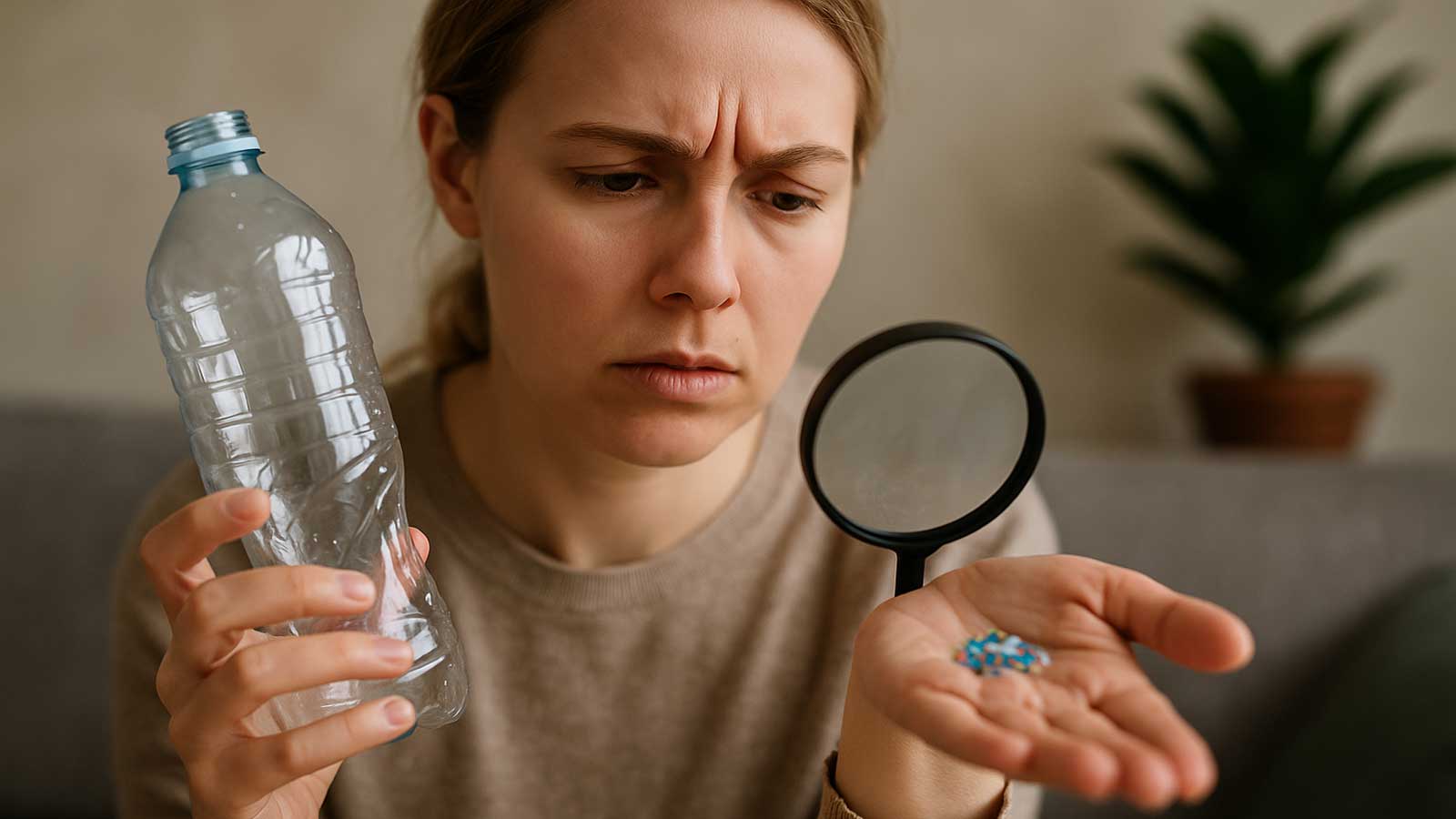
The fight against plastic pollution has taken on a new urgency as growing scientific evidence reveals its direct impact on human health. Once considered primarily an environmental issue, plastic waste is now being linked to a range of health problems — from cardiovascular diseases to reproductive and developmental disorders. At the center of this concern are microplastics and nanoplastics — tiny fragments of plastic debris that are finding their way into our food, water, air, and even human organs.
Recent studies have raised alarms about the health effects of ingesting or inhaling microplastics, which are typically smaller than 5 millimeters in size. These particles originate from a wide range of sources — including the breakdown of larger plastic products, synthetic clothing fibers, packaging materials, and personal care products. Once released into the environment, they can persist for decades, accumulating in oceans, soils, and the bodies of animals and humans alike.
What’s particularly concerning is that microplastics have been detected in human blood, lungs, breast milk, and placental tissue. Some studies suggest that microplastic exposure may trigger inflammation, oxidative stress, and cellular damage — all precursors to chronic diseases. In laboratory experiments, microplastics have been shown to disrupt hormonal signaling, damage DNA, and impair immune response.
The concern does not end there. Plastic particles can act as carriers for toxic chemicals like bisphenol A (BPA), phthalates, and heavy metals, many of which are known endocrine disruptors or carcinogens. When plastics degrade, they also release additives that can interfere with metabolic processes, liver function, and brain development. Emerging evidence indicates that people who consume fish, shellfish, and sea salt — all of which can harbor microplastics — may be at higher risk of exposure.
Alarmingly, children may be especially vulnerable. Researchers have found that early-life exposure to plastic-associated compounds may increase the risk of asthma, obesity, attention disorders, and delayed cognitive development. The developing fetus is not immune either; studies have suggested the presence of microplastics in the placenta, raising concerns about in-utero exposure.
From food packaging to synthetic baby bottles, plastic is everywhere — and it is this ubiquity that makes avoidance nearly impossible. Studies now estimate that humans may be consuming up to 5 grams of microplastics per week — roughly the weight of a credit card. Much of this comes from drinking water, sea salt, and common food items, especially processed and packaged foods.
The healthcare implications are staggering. Scientists are calling for urgent regulatory action to reduce plastic production and phase out harmful plastic additives. Beyond governmental policies, individuals can also make changes: opting for glass or stainless-steel containers, avoiding single-use plastics, choosing natural fiber clothing, and demanding safer packaging from manufacturers.
But perhaps the most profound takeaway is the invisible nature of the threat. Unlike cigarette smoke or dirty water, plastic particles don’t always announce their presence. Yet their effects might be cumulative and long-term — altering our health trajectories in ways we’re only beginning to understand.
Environmental organizations and global health authorities are increasingly urging collaborative solutions that address both environmental sustainability and public health. This includes investing in biodegradable alternatives, improving plastic waste management systems, and supporting continued research on human exposure and outcomes.
Key Insight:
Plastic pollution is no longer just a threat to oceans and wildlife — it’s silently infiltrating our bodies, potentially altering human health for generations. The time to act is now, both personally and collectively.