
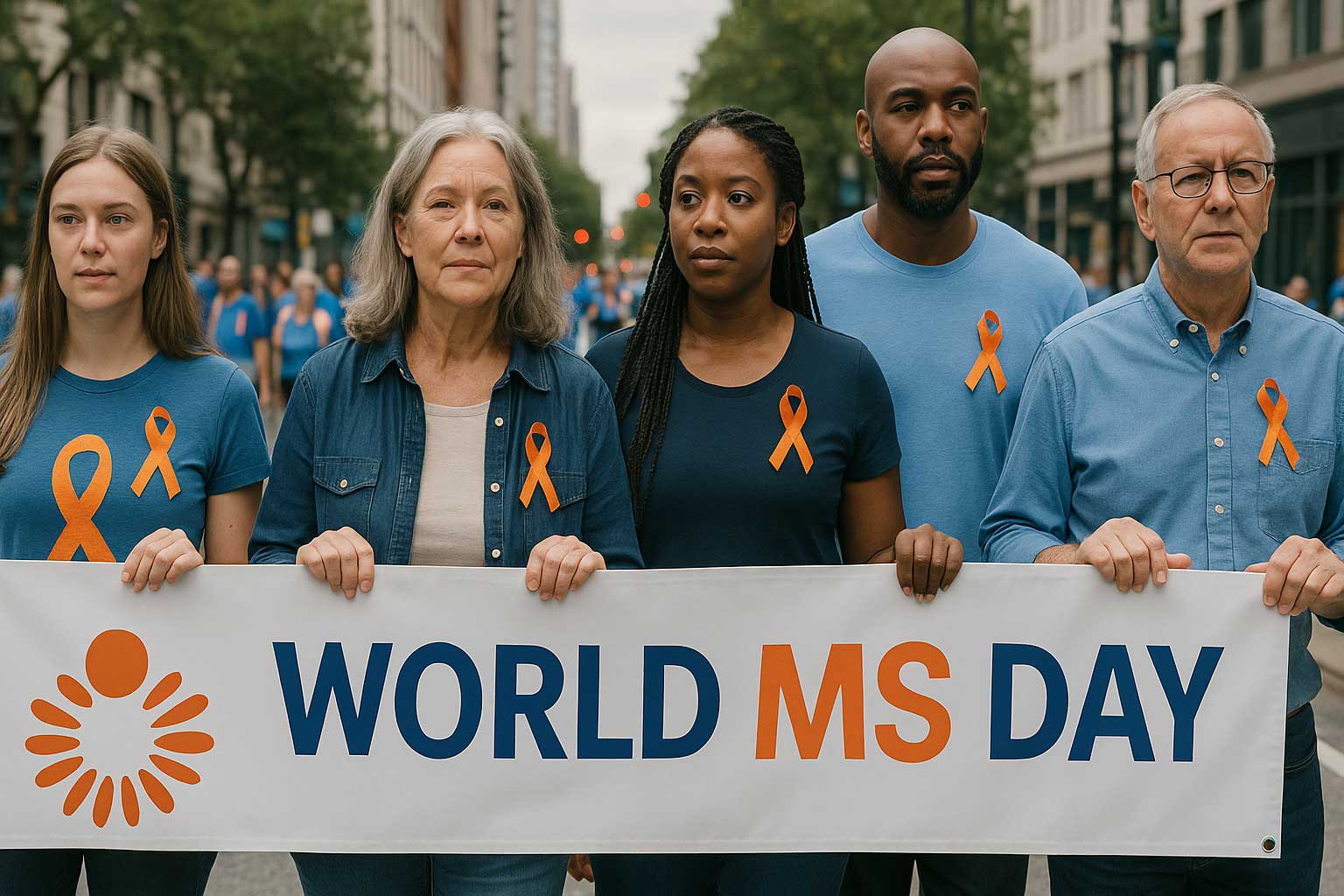
World MS Day, observed annually on May 30, has once again brought global attention to multiple sclerosis (MS)—a chronic neurological condition that affects millions of people worldwide. This year’s campaign emphasized early detection, managing daily life with MS, and community support as central themes. The global event has united healthcare providers, patient advocacy groups, researchers, and individuals living with MS in an effort to raise awareness and share real-life experiences.
Multiple sclerosis is a lifelong disease of the central nervous system, in which the body’s immune system mistakenly attacks the protective covering (myelin sheath) of nerve fibers in the brain and spinal cord. This disrupts communication between the brain and the rest of the body, leading to a wide range of symptoms including fatigue, muscle weakness, numbness, vision problems, and difficulty with coordination or balance. The disease can manifest differently in each person and may progress unpredictably, often fluctuating between periods of relapse and remission.
The significance of World MS Day lies not only in spreading awareness but also in highlighting the lived experiences of those with the condition. In cities across the world, awareness walks, conferences, storytelling events, and online webinars provided platforms for patients to share their journeys—demonstrating courage, resilience, and the importance of community support.
A prominent focus this year has been early diagnosis and symptom recognition. Experts emphasized that recognizing early warning signs—such as unexplained vision disturbances, tingling sensations, sudden fatigue, and motor difficulties—can lead to earlier medical intervention and improved long-term outcomes. While MS currently has no cure, early treatment using disease-modifying therapies (DMTs) can slow its progression and reduce the frequency of relapses.
In India, where access to specialized neurological care may be limited in some regions, awareness campaigns highlighted the need for better diagnosis infrastructure and public education. With an estimated rising prevalence of MS in urban populations, initiatives were launched to sensitize general physicians and community health workers about the signs of the disease. Educational drives, especially among young adults and women—who are more commonly affected—aimed to reduce stigma and misinformation.
On the global front, the World MS Day 2025 campaign included themes such as “My MS Diagnosis,” where individuals shared their first symptoms and the emotional impact of receiving a diagnosis. Personal stories revealed the frustration many face before receiving an accurate diagnosis—often after years of being misdiagnosed or dismissed. The campaign encouraged listening to patients’ voices and advocated for policy-level changes to enhance MS care across health systems.
Scientific discussions around MS are also evolving. Recent studies presented during World MS Day events explored links between MS and environmental, genetic, and lifestyle factors. Researchers are increasingly examining the role of gut microbiota, vitamin D levels, and viral triggers—especially Epstein-Barr virus—in the development of MS. Ongoing clinical trials are investigating next-generation immunotherapies, remyelination strategies, and potential neuroprotective agents.
Living with MS poses daily challenges. Many people deal with invisible symptoms such as chronic pain, mental fog (often called “MS brain”), or emotional fluctuations like anxiety and depression. Support systems—from caregivers to community groups—play a crucial role in helping patients maintain their quality of life. World MS Day 2025 promoted digital health tools, counseling access, and occupational therapy resources to empower people living with MS in their personal and professional lives.
Educational institutions, corporate offices, and public health authorities marked the day with blue-themed events, symbolic orange ribbons, and informative sessions to foster inclusion and understanding. From Chennai to Chicago, initiatives underscored the global unity of the MS community.
Key Takeaway:
Raising awareness, recognizing symptoms early, and fostering community support are essential in improving life with multiple sclerosis. World MS Day reminds us that behind every diagnosis is a human story that deserves compassion, science, and support.