

Every year on June 8th, World Brain Tumor Day shines a global spotlight on one of the most complex and life-altering conditions affecting the human brain. While brain tumors are relatively rare compared to other cancers, their impact can be devastating, affecting not just physical health but cognition, emotions, and quality of life.
Brain
In animals, the brain (enkephale) (Greek for “in the skull”), is the control center of the central nervous system, responsible for behavior. The brain is located in the head, protected by the skull and close to the primary sensory apparatus of vision, hearing, equilibrioception (balance), sense of taste, and olfaction (smell).

Taurine’s Anti-Aging Promise Faces Scrutiny: New Studies Question Its Role as a Biomarker of Longevity
In the quest to slow down aging and extend human healthspan, taurine—a naturally occurring amino acid found in the body and commonly used in energy drinks—has long attracted attention. Once hailed as a potential “fountain of youth,” taurine is now facing renewed scientific skepticism. Recent studies published this week have raised important doubts about its reliability as a biomarker or supplement for aging prevention, prompting a reevaluation of earlier enthusiasm.

Measles Surge in Europe Sparks Health Alerts Ahead of Summer Travel Season
As families across Europe prepare for summer holidays, public health officials are raising urgent alarms over a sharp uptick in measles cases sweeping the continent. Multiple countries, including the UK, France, Germany, and Italy, are witnessing a concerning spike in infections, prompting fresh travel warnings and renewed vaccination campaigns.

Texas Faces Deadly Amoeba Scare Linked to Tap Water: Public Urged to Stay Vigilant
A recent cluster of alarming cases in Texas has drawn national attention to a rare but deadly health threat—brain-eating amoebas potentially linked to tap water. Several individuals have fallen gravely ill, and at least one fatality has been reported, after exposure to Naegleria fowleri, a microscopic organism that thrives in warm freshwater and can invade the human brain through the nasal passages.

Hidden Brain Saboteurs: How Common Foods May Be Harming Your Memory and Mental Sharpness
In a time when mental clarity and memory retention are more crucial than ever, growing research is casting a troubling light on the food we consume daily. While much attention is given to physical health, scientists and neurologists are raising alarms about the subtle yet significant ways our diets may be impairing brain function, especially in children and young adults.
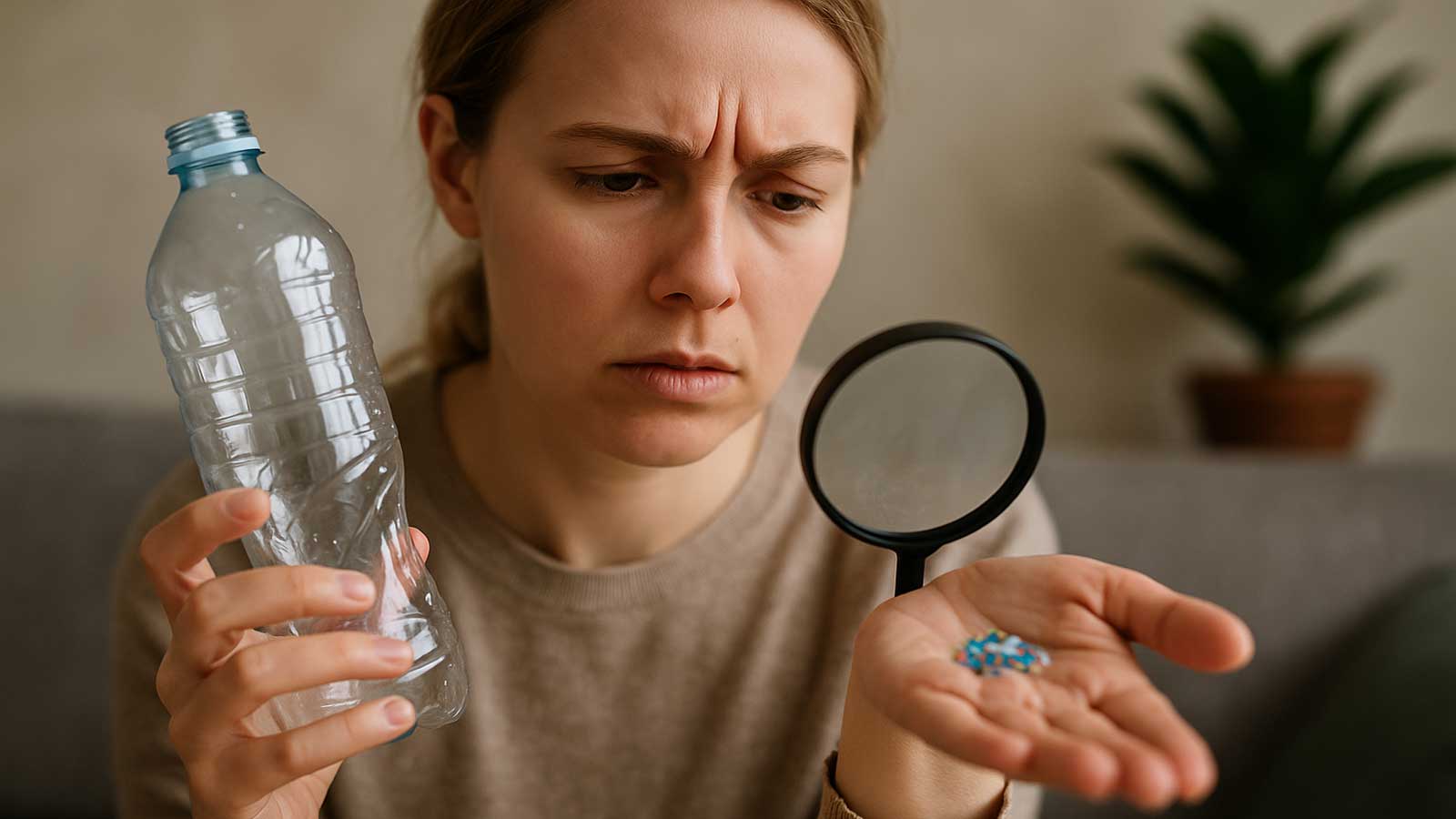
Plastic Pollution’s Silent Invasion: How Microplastics Are Threatening Human Health
The fight against plastic pollution has taken on a new urgency as growing scientific evidence reveals its direct impact on human health. Once considered primarily an environmental issue, plastic waste is now being linked to a range of health problems — from cardiovascular diseases to reproductive and developmental disorders. At the center of this concern are microplastics and nanoplastics — tiny fragments of plastic debris that are finding their way into our food, water, air, and even human organs.
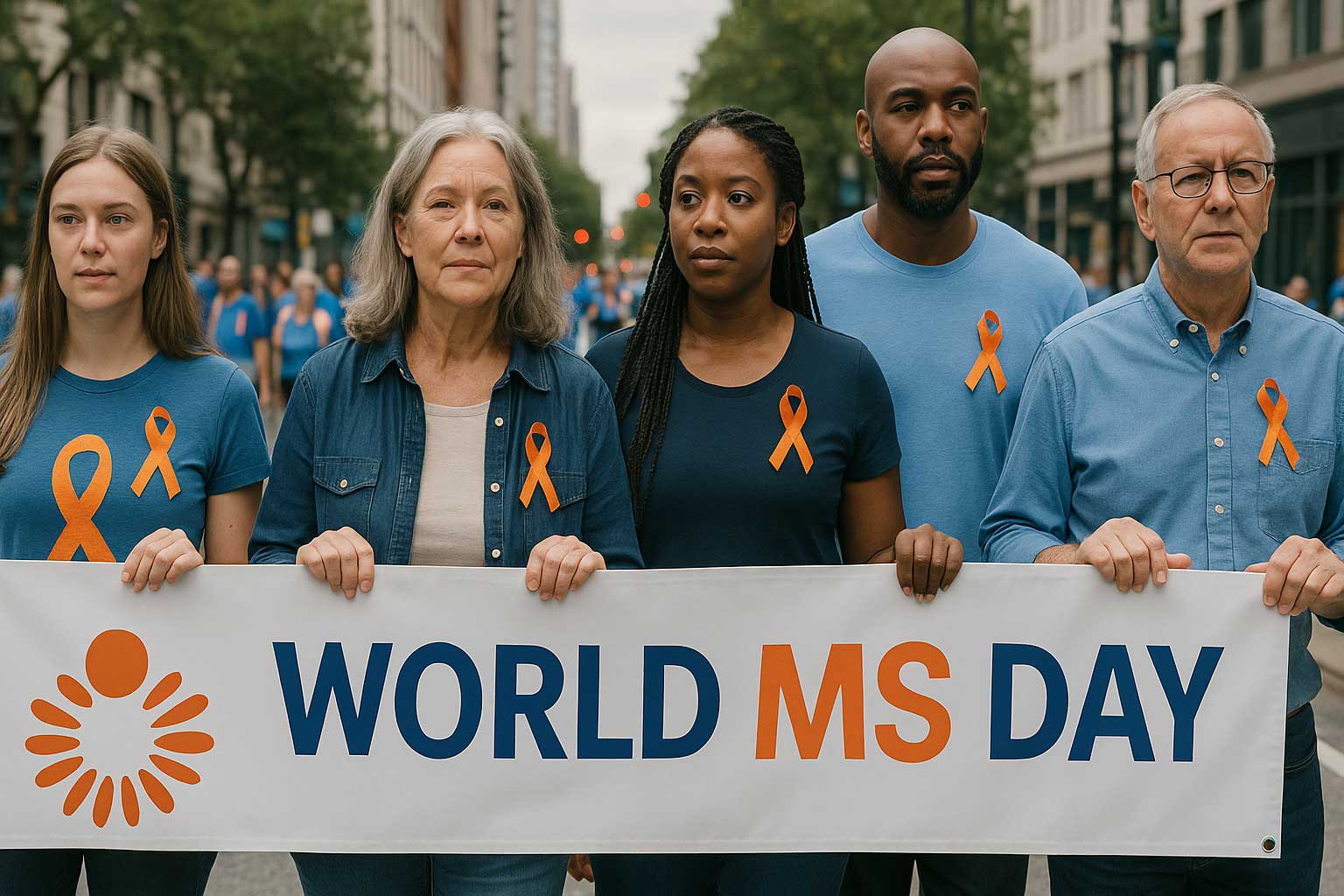
World MS Day 2025 Shines a Light on Multiple Sclerosis: Early Signs, Awareness, and Living with the Condition
World MS Day, observed annually on May 30, has once again brought global attention to multiple sclerosis (MS)—a chronic neurological condition that affects millions of people worldwide. This year’s campaign emphasized early detection, managing daily life with MS, and community support as central themes. The global event has united healthcare providers, patient advocacy groups, researchers, and individuals living with MS in an effort to raise awareness and share real-life experiences.

Artificial Sweetener Might Increase Heart Disease Risk, Research Suggests
A popular sugar substitute, erythritol, often used in low-calorie foods and drinks, might be linked to a higher risk of heart disease. This finding comes from recent research, though it’s important to remember that the results are still considered preliminary.

Breakthrough Wearable Device Prevents Sudden Cardiac Arrest
A new water-resistant patch, designed as a wearable cardioverter-defibrillator (P-WCD), has been proven safe and effective for people at risk of sudden cardiac arrest. This information comes from a study published in the August 6 issue of the Journal of the American College of Cardiology.

Women and Migraine: A New Perspective on Heart Health
In a recent study, it was discovered that many traditional factors that increase the risk of heart disease are actually linked to a lower risk of migraines in women. This surprising finding came from a study published in Neurology.

COVID-19 Vaccine Side Effects on Bladder Health in Young Adults Revealed
COVID-19 vaccination has been found to cause some side effects on the lower urinary tract and overactive bladder in younger adults. A study published online on June 24 in Frontiers in Medicine reported these findings.
Marta de-la-Plaza-San-Frutos, from Universidad Europea de Madrid in Spain, and her team examined potential side effects of COVID-19 vaccination on the urinary tract. A total of 1,563 individuals (74.7 percent women and 27.3 percent men), aged 18 to 45 years, completed an online survey.

Plasma Markers for Alzheimer’s Disease Increase with Age
In a recent study, it was found that certain blood markers linked to Alzheimer’s disease increase with age and are connected to known dementia risk factors. The study was published in the Journal of the American Medical Association and presented at the Alzheimer’s Association International Conference in Philadelphia.