

In a significant shift in public health policy, the U.S. Centers for Disease Control and Prevention (CDC) has updated its COVID-19 vaccination recommendations, sparking widespread discussion among healthcare professionals and expectant mothers alike. The new guidance streamlines previous vaccine protocols, emphasizing simplified dosing while raising concerns over clarity, especially for vulnerable groups like pregnant women.
Pregnant women

COVID Vaccine Controversy Deepens as RFK Jr. Criticizes CDC Guidance and Sparks Political Storm
A new wave of controversy surrounding COVID-19 vaccines has erupted following pointed remarks by presidential candidate Robert F. Kennedy Jr. His statements criticizing the Centers for Disease Control and Prevention (CDC) have triggered a fierce public and political response, reigniting debates about vaccine safety, transparency in public health policies, and government trust.

New Hope for Infant Health: RSV Protection Strengthened with Monoclonal Antibodies and Vaccines
In a significant leap forward for pediatric health, global health agencies and medical researchers have announced the rollout of new vaccines and monoclonal antibody treatments designed to protect infants from Respiratory Syncytial Virus (RSV). RSV is a common respiratory virus that can lead to severe illness in babies, particularly those under six months of age. It is a major cause of bronchiolitis and pneumonia in children worldwide, and each year, it leads to thousands of hospitalizations and fatalities among infants.

Lithium in Drinking Water: Uncovering Links to Autism Risk and Environmental Factors
A study published on April 3 in JAMA Pediatrics is thought to be the first to recognize naturally occurring lithium in drinking water as a potential environmental risk factor for autism. “Any contaminants in drinking water that could impact the developing human brain warrant serious investigation,” stated the lead author of the study, Beate Ritz, MD, PhD, a professor of neurology at the David Geffen School of Medicine at UCLA and a professor of epidemiology and environmental health at the UCLA Fielding School of Public Health.

Early Life Stress in Women Linked to Increased Pregnancy Inflammation and Cross-Generational Health Effects on Children
A recent study found that women who experienced high levels of stress during their childhood and teenage years may have a higher risk of inflammation during pregnancy. Inflammation is the body’s way of protecting itself, but if it lasts too long or becomes chronic, it can be harmful.

COVID-19 poses serious health risks during pregnancy
Pregnant women who are infected with the virus and who contract COVID-19 have a 7-fold increased risk of dying and being admitted to an intensive

COVID-19 increases pregnancy complications in pregnant women
Pregnant women with COVID-19 appear to be at greater risk for common pregnancy complications — in addition to health risks from the virus — than pregnant women without COVID-19, suggests a study funded by the National Institutes of Health.

Processed foods during pregnancy increases autism risk in children
With the number of children diagnosed with autism on the rise, the need to find what causes the disorder becomes more urgent every day. UCF

Sleeping with artificial light at night may cause weight gain in women
Sleeping with a television or light on in the room may be a risk factor for gaining weight or developing obesity, according to scientists at

High dose folic acid helps smoker pregnant to have better fetal growth
Women who smoked cigarettes during pregnancy and took higher-dose folic acid supplements delivered infants with better fetal growth than smokers who took standard-dose folic acid,
Zika virus becoming international emergency : WHO
World Health Organisation has declared an international emergency over the explosive spread of the mosquito-borne Zika virus, which is linked to birth defects in the
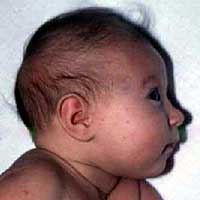
Microcephaly birth defect rate surged after Zika outbreak in Brazil
Brazilian health ministry reported a rise in the number of newborn babies with uncommonly small heads – microcephaly, and suspect that the surge is linked