

A new medical advancement is offering hope in the battle against cancer: a revolutionary blood test capable of detecting various cancers up to four years before symptoms appear. Scientists are hailing this innovation as a potential game-changer in early cancer detection, which could dramatically improve patient survival rates.
Diagnosis
Diagnosis is the act or process of identifying or determining the nature and cause of a disease or injury through evaluation of patient history, examination, and review of laboratory data.

Men’s Health in Focus: The Critical Importance of Routine Screenings During National Men’s Health Week
As National Men’s Health Week unfolds this June, health experts, advocacy groups, and government bodies are rallying to address a long-standing concern: men are less likely than women to seek preventive care, often delaying screenings until symptoms become severe.

How Exercise is Transforming Cancer Care: A New Frontier in Healing and Recovery
In a wave of promising new research, the role of exercise in cancer care is no longer just a recommendation—it’s becoming a cornerstone of treatment and recovery. From reducing the risk of cancer recurrence to enhancing survival rates and improving quality of life, physical activity is emerging as a powerful, non-pharmacological ally in the fight against cancer.

World Brain Tumor Day 2025: Raising Hope, Breaking Myths, and Advancing Early Diagnosis
Every year on June 8th, World Brain Tumor Day shines a global spotlight on one of the most complex and life-altering conditions affecting the human brain. While brain tumors are relatively rare compared to other cancers, their impact can be devastating, affecting not just physical health but cognition, emotions, and quality of life.

Texas Faces Deadly Amoeba Scare Linked to Tap Water: Public Urged to Stay Vigilant
A recent cluster of alarming cases in Texas has drawn national attention to a rare but deadly health threat—brain-eating amoebas potentially linked to tap water. Several individuals have fallen gravely ill, and at least one fatality has been reported, after exposure to Naegleria fowleri, a microscopic organism that thrives in warm freshwater and can invade the human brain through the nasal passages.
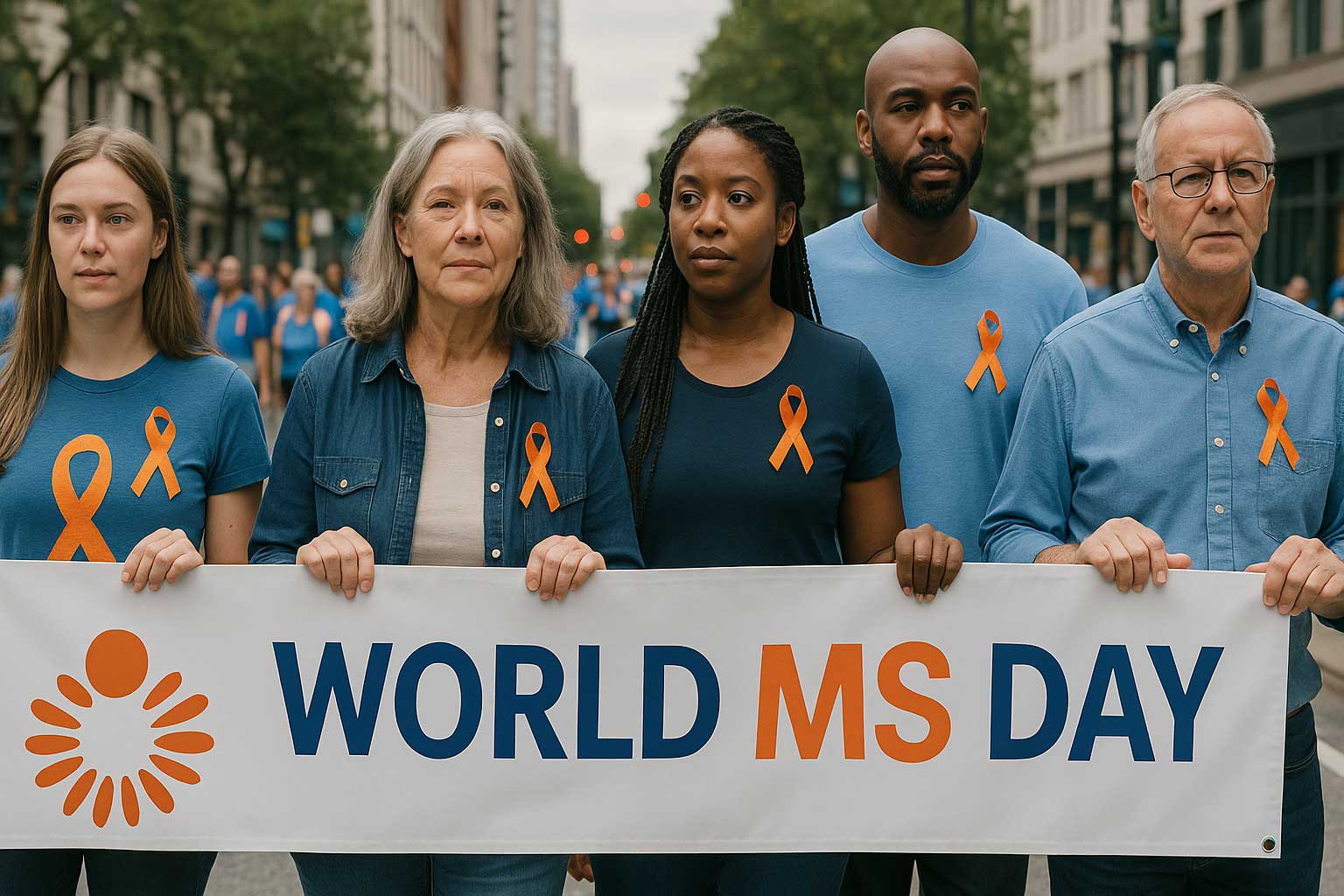
World MS Day 2025 Shines a Light on Multiple Sclerosis: Early Signs, Awareness, and Living with the Condition
World MS Day, observed annually on May 30, has once again brought global attention to multiple sclerosis (MS)—a chronic neurological condition that affects millions of people worldwide. This year’s campaign emphasized early detection, managing daily life with MS, and community support as central themes. The global event has united healthcare providers, patient advocacy groups, researchers, and individuals living with MS in an effort to raise awareness and share real-life experiences.

Alarming Rise in Colorectal Cancer Among Young Adults: What You Need to Know
Colorectal cancer—once considered a disease affecting mostly older adults—is now increasingly being diagnosed in people under the age of 50. Recent research and expert commentary have drawn attention to this unsettling trend, noting a significant uptick in bowel cancer cases among young individuals across the globe, including in India and the United States.
The Rising Threat of Human Metapneumovirus: What You Need to Know
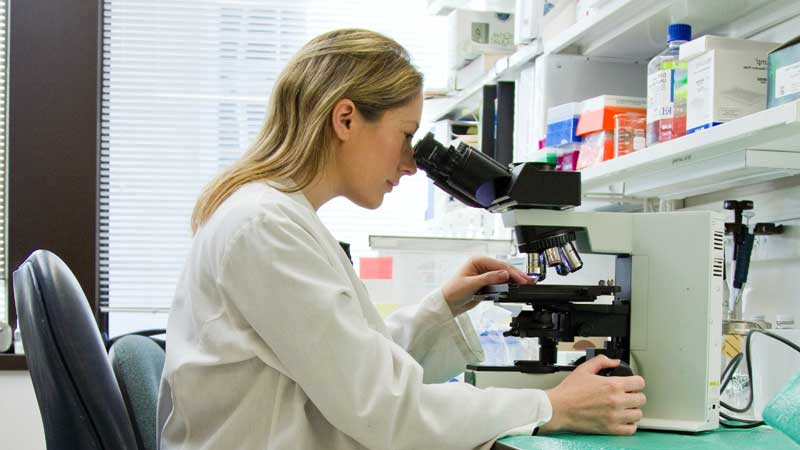
In the realm of public health, awareness is a powerful tool. As we navigate through the complexities of the global health landscape, a new threat has emerged, catching many by surprise. This threat is the Human Metapneumovirus (HMPV), a relatively unknown virus that has seen a significant rise in cases recently.

Lithium in Drinking Water: Uncovering Links to Autism Risk and Environmental Factors
A study published on April 3 in JAMA Pediatrics is thought to be the first to recognize naturally occurring lithium in drinking water as a potential environmental risk factor for autism. “Any contaminants in drinking water that could impact the developing human brain warrant serious investigation,” stated the lead author of the study, Beate Ritz, MD, PhD, a professor of neurology at the David Geffen School of Medicine at UCLA and a professor of epidemiology and environmental health at the UCLA Fielding School of Public Health.

Rising cases of multidrug-resistant fungal infection of Candida Auris: What You Need to Know to Protect Yourself and Your Loved Ones
Candida auris, a deadly and multidrug-resistant fungus, continues to pose a significant threat to public health worldwide. First identified in 2009, this emerging pathogen is
Rising Incidence and Mortality of Colorectal Cancer in Younger Populations: Challenges and Opportunities for Prevention and Treatment
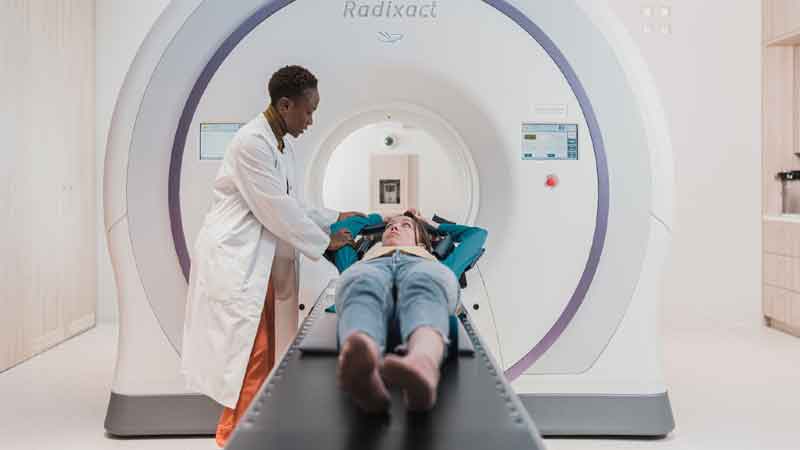
According to the American Cancer Society, colorectal cancer (CRC) is the second leading cause of cancer-related deaths in the United States. The organization provides regular updates on CRC statistics based on data from population-based cancer registries and the National Center for Health Statistics.

Cancer-free future – World Cancer Day
This World Cancer Day, WHO urges all governments to act now to detect breast cancer earlier, diagnose it faster, treat it better and give everyone