
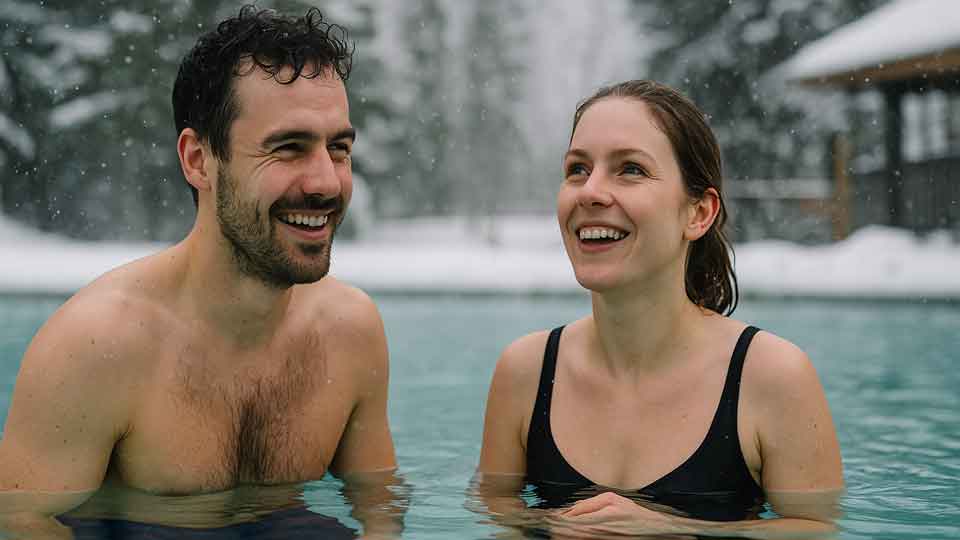
In recent years, cold plunge therapy — immersing oneself in icy water — has surged in popularity, promoted as a gateway to improved health, mental resilience, and faster recovery. Athletes swear by it, influencers post daily icy dips, and wellness centers across the globe offer luxurious cold plunge experiences. But what does science actually say about this frosty trend?
At first glance, the logic seems straightforward. Submerging in cold water is believed to reduce inflammation, stimulate circulation, and boost mental alertness. Supporters claim it can relieve muscle soreness after workouts, enhance mood through endorphin release, and even strengthen the immune system. However, growing scientific scrutiny is beginning to challenge these sweeping claims, raising both curiosity and caution.
An ice bath typically involves sitting in water below 15°C (59°F), often closer to 10°C or lower, for several minutes. This form of cold exposure is part of a broader set of practices called cryotherapy, which involves exposing the body to cold for therapeutic benefits. Cold exposure can constrict blood vessels (vasoconstriction), slow nerve signals, and reduce metabolic activity in muscles, all of which might help in minimizing inflammation and muscle soreness. That’s why many elite athletes take the plunge after intense physical exertion.
However, recent research has complicated this picture. A notable study revealed that frequent cold plunges may actually hinder muscle growth by dampening the normal inflammatory responses required for muscle repair and strengthening. In essence, while a post-workout ice bath may make you feel better in the short term, it could blunt long-term gains if used too often. This insight is prompting sports scientists and trainers to reconsider how and when cold therapy should be used.
Beyond muscle recovery, the touted mental health benefits of cold plunges are attracting wider public interest. Anecdotal reports describe an exhilarating sense of mental clarity, reduced stress, and even relief from mild depression or anxiety. Cold exposure triggers a fight-or-flight response, which floods the body with norepinephrine — a hormone associated with focus and alertness. This can produce a kind of “natural high,” which some people find addictive in a positive way.
Still, mental health professionals caution that while cold plunges may offer temporary mood boosts, they are not substitutes for evidence-based therapies. Moreover, the shock of cold water can be dangerous, especially for individuals with underlying heart or respiratory conditions. Sudden immersion in icy water causes rapid breathing, constricted blood vessels, and a spike in heart rate, which can trigger serious cardiovascular events in susceptible people.
Medical experts also stress the importance of moderation and personalization. Not everyone benefits from cold exposure in the same way. Factors like age, baseline fitness, health conditions, and even genetics can affect how the body reacts to cold. The growing trend of do-it-yourself cold plunges — using backyard tubs or converted freezers — raises safety concerns when done without proper preparation or knowledge.
Furthermore, the allure of “biohacking” has led some to adopt extreme routines — such as daily plunges, extended durations, or combining ice baths with sauna cycles — without understanding their physiological impact. While alternating between hot and cold environments (contrast therapy) may have some health applications, the cumulative stress on the body can backfire if overused.
Despite these caveats, many people report subjective benefits from cold plunges, especially when practiced safely and mindfully. The routine can instill discipline, push psychological boundaries, and introduce a meditative pause in daily life. For some, it’s not just about the physical health benefits but also the symbolic reset — stepping into discomfort to reclaim agency over the body and mind.
Historically, the practice of cold water immersion is not new. Ancient Roman bathhouses, Nordic cultures, and Japanese traditions like “Misogi” all featured forms of cold exposure for purification, resilience, or healing. What’s different now is the modern framing of cold plunges through the lens of wellness branding and social media virality, which can obscure risks while amplifying anecdotal praise.
In conclusion, while cold plunges may offer real benefits for certain individuals, they are not a universal cure-all. Like most health interventions, their effectiveness depends on context, frequency, and individual response. Instead of following trends blindly, people should consult healthcare professionals, understand the science, and listen to their bodies.
Key Insight:
Cold plunges can be invigorating and health-supportive for some, but they are not without risks — knowing when and how to use them makes all the difference between a helpful ritual and a harmful habit.