
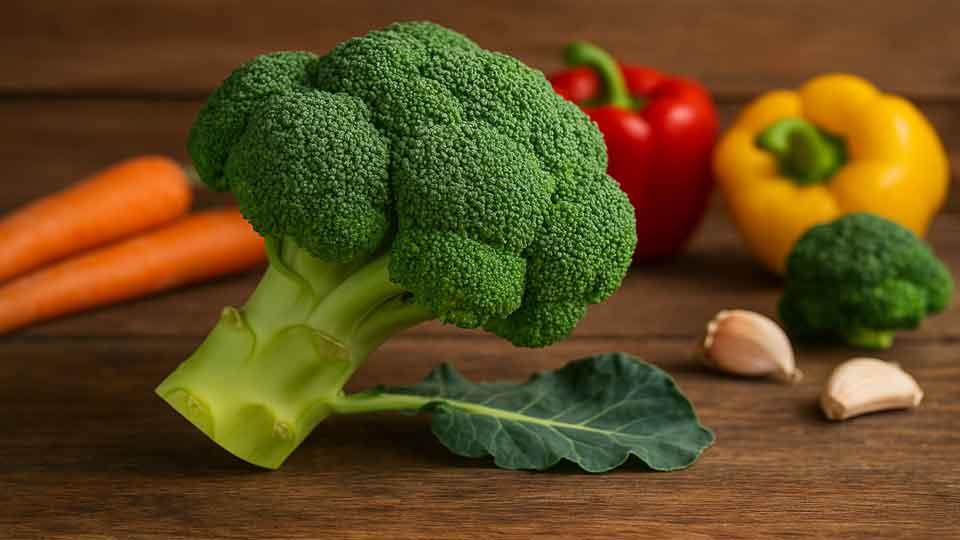
Broccoli, long hailed as a symbol of healthy eating, is back in the nutrition spotlight — and for good reason. From aiding weight loss to boosting immunity and digestion, this humble green vegetable has proven itself to be one of the most powerful allies in a balanced diet. Recent renewed interest in broccoli’s health benefits is shining a fresh light on its scientific credentials and everyday value.
Packed with fiber, vitamins, minerals, and antioxidants, broccoli belongs to the cruciferous vegetable family — alongside cauliflower, kale, and Brussels sprouts. Its slightly bitter taste and tree-like shape may divide the dinner table, but its benefits are hard to ignore.
One of the key attractions of broccoli is its role in immune support. Rich in vitamin C, which is crucial for white blood cell production and immune function, broccoli acts as a natural defense booster. A single cup of cooked broccoli can provide up to 135% of the recommended daily intake of vitamin C — even more than an orange.
Beyond immunity, digestive health is another area where broccoli shines. Its high fiber content supports regular bowel movements, reduces inflammation in the gut, and promotes the growth of beneficial gut bacteria. Fiber not only enhances digestion but also helps in controlling blood sugar levels and reducing cholesterol, playing a preventive role against cardiovascular disease.
Weight management is another reason people are embracing broccoli. Low in calories yet high in volume, it makes you feel fuller for longer, which can reduce overall calorie intake. Including broccoli in meals can be a strategic move for those aiming to lose weight without sacrificing nutrition.
But the real magic of broccoli lies in its phytochemicals, particularly sulforaphane — a compound shown to have anti-inflammatory and anticancer properties. Research suggests sulforaphane may help neutralize carcinogens, support detoxification enzymes in the liver, and even protect against certain types of cancer, such as prostate, breast, and colon cancer.
To get the most out of broccoli, however, cooking methods matter. Health experts often recommend light steaming over boiling, as excessive heat can destroy its heat-sensitive nutrients like vitamin C and folate. Interestingly, letting chopped broccoli sit for a few minutes before cooking can activate more sulforaphane, thanks to the enzyme myrosinase, which kicks into gear when the vegetable is cut.
Broccoli also supports bone health due to its impressive calcium and vitamin K content. Both nutrients are critical for maintaining strong bones and preventing osteoporosis, especially in older adults. Additionally, the presence of lutein and zeaxanthin — antioxidants found in broccoli — may contribute to eye health by protecting against age-related macular degeneration and cataracts.
And let’s not forget its skin-enhancing properties. Broccoli’s combination of antioxidants, anti-inflammatory agents, and vitamins A and E make it a valuable food for supporting clear, youthful skin and helping combat oxidative stress that contributes to skin aging.
Given its wide-ranging benefits, broccoli can be enjoyed in many ways — added to stir-fries, soups, salads, or even eaten raw with hummus or yogurt dip. While some may shy away from its bitter profile, pairing it with lemon juice, garlic, or olive oil can make it a flavorful addition to any dish.
For those with thyroid issues, moderation is key. Like other cruciferous vegetables, broccoli contains goitrogens, which can interfere with thyroid hormone production when eaten in very large quantities. But for the general population, incorporating 3–4 servings of cruciferous vegetables a week — including broccoli — is considered a smart move by most dietitians.
Broccoli’s resurgence in the news reminds us that some of the best health boosters are not found in exotic powders or expensive supplements, but in the produce aisle — fresh, affordable, and familiar.
Key Insight:
Broccoli is more than just a diet food — it’s a powerhouse of preventive nutrition that supports everything from gut health to immunity. A few florets a day could be your simplest investment in long-term health.